
Hearing scratching, scurrying, or gnawing sounds inside your walls at night can be unsettling. In Chicago homes, these noises may come from rats, mice, squirrels, raccoons, bats, or other wildlife that has found a way into the structure.
The sound itself does not always tell you exactly what animal is inside. However, the timing of the noise, the type of sound, where you hear it, and other signs around your home can provide useful clues.
If you hear movement inside a wall or ceiling, it is important to identify the problem rather than simply sealing the opening. An animal trapped inside the structure may cause additional damage while trying to escape.
What Does Scratching in the Walls at Night Mean?
Scratching sounds inside a wall usually mean that an animal is moving through a hidden area of the home.
Walls, ceilings, attics, crawl spaces, soffits, and other enclosed areas can provide animals with protection from weather and predators. Once an animal finds an accessible entry point, it may move between these areas looking for shelter or a place to nest.
Common sounds include:
- Light scratching or tapping
- Fast scurrying
- Gnawing or chewing
- Thumping or bumping
- Movement across the ceiling
- Repeated scratching in the same section of a wall
- Chirping, squeaking, or other animal sounds
- Heavy movement that sounds larger than a rodent
Nighttime activity can be particularly noticeable because the house is quieter. Some animals are also naturally more active after dark.
What Animals Make Scratching Sounds Inside Chicago Homes?
Several animals can enter wall cavities, attics, ceilings, or other enclosed spaces. The sound alone is not enough to make a definite identification, but certain patterns can provide clues.
Rats
Rats are one of the more common causes of scratching, scurrying, and gnawing sounds inside walls.
Because rats can move through relatively small openings and travel between wall cavities, attics, basements, and other areas, homeowners may hear activity without seeing the animal.
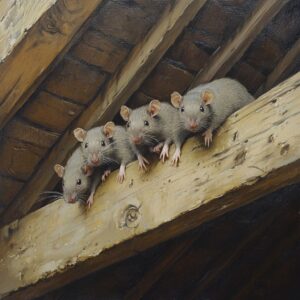
Signs that may point toward rats include:
- Scratching or rapid movement at night
- Gnaw marks around wood, plastic, insulation, or other materials
- Droppings near food, storage areas, or entry points
- Greasy marks along frequently traveled areas
- Unusual odors
- Damaged food packaging
- Repeated activity around walls, ceilings, or utility openings
If the evidence points toward a rat problem, professional rat extermination in Chicago may involve more than setting a few traps. Finding entry points and determining how the animals are accessing the structure can be important for long-term control.
Mice
Mice can also create scratching and rustling sounds inside walls, particularly at night.
Their movement may sound lighter and faster than a larger animal. You may also find small droppings around kitchens, cabinets, garages, basements, or areas where food is stored.
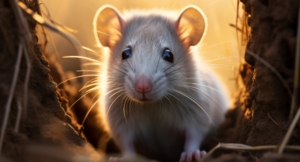
Because mice can enter through very small openings, finding the entry point can be an important part of solving the problem.
Squirrels
Squirrels are usually associated with attic and roof spaces, but homeowners can sometimes hear them moving through areas connected to wall or ceiling cavities.
Their activity can sound much louder than expected.
Possible signs include:
- Scratching or running sounds during daylight
- Heavy movement across ceilings
- Gnaw marks around roofline materials
- Damaged vents or soffits
- Nesting material in the attic
- Repeated activity near the roof
If the sound is strongest during the day rather than late at night, squirrels may be worth considering.
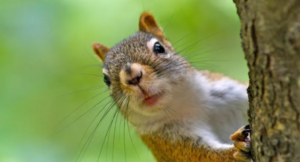
If squirrels have entered through the roof or attic, removing the animal is only part of the solution. The entry point may also need to be addressed to reduce the chance of another animal getting inside.
Raccoons
Raccoons are considerably larger than rats, mice, or squirrels, so their movement can produce heavier sounds.
You might hear:
- Heavy footsteps
- Scratching
- Thumping
- Movement across the ceiling
- Loud activity near the attic or chimney
Raccoons commonly seek protected areas for shelter, particularly when weather conditions are unfavorable or when females are raising young.

Because of their size, raccoons can cause substantial damage if they remain inside a structure.
Bats
Bats may not produce the same type of heavy scratching associated with larger animals. Instead, homeowners may notice fluttering, squeaking, or movement around attic and roof areas.
A bat problem may also involve:
- Bats appearing around the exterior of the home
- Droppings in an attic
- Small openings around rooflines or vents
- Repeated activity around the same area
- Bats entering living spaces
If you suspect bats, avoid sealing possible entry points without determining whether bats are still inside. Proper exclusion needs to account for bat behavior and seasonal conditions.
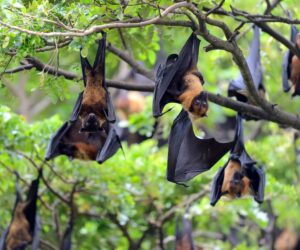
For homeowners dealing with bats, bat removal in Chicago is different from simply trapping a rodent because the goal is generally to exclude bats safely rather than create a new problem by sealing them inside.
Does the Time of the Noise Help Identify the Animal?
Yes, although timing alone cannot confirm the species.
A useful starting point is to note when the sound occurs and how long it lasts.
Mostly at night
Nighttime activity can be associated with rats, mice, raccoons, and some other nocturnal animals.
If you hear fast scratching or scurrying after the house becomes quiet, rodents are one possibility.
Mostly during the day
Daytime activity around the attic or roof can point toward squirrels.
However, other animals can also move during daylight, so the location and other evidence still matter.
Around dusk or dawn
Activity around sunrise or sunset can involve several species. Bats, squirrels, raccoons, and other wildlife may become active around these transition periods.
At irregular times
Animals do not always follow predictable schedules, particularly when they have entered a structure, are nesting, or are searching for food.
For that reason, sound timing should be treated as a clue rather than a diagnosis.
Scratching vs. Scurrying vs. Gnawing: What Do the Sounds Mean?
The type of noise can provide another useful clue.
| Sound | Possible cause | What to look for |
| Light scratching | Mice, rats, small wildlife | Droppings, small openings, food damage |
| Fast scurrying | Rats, mice, squirrels | Movement patterns, droppings, nesting |
| Heavy scratching | Raccoons, squirrels, larger wildlife | Attic damage, roof entry, disturbed insulation |
| Gnawing or chewing | Rats, mice, squirrels | Bite marks, damaged wood, wiring, plastic |
| Thumping | Raccoons, squirrels, larger animals | Attic or ceiling activity |
| Fluttering or squeaking | Bats | Attic signs, exterior activity, entry gaps |
| Repeated movement in one location | Nesting animal | Nest material, droppings, odor |
These clues can narrow down the possibilities, but inspection is often necessary to determine exactly what is happening.
Where Do Animals Get Into Walls?
Animals generally do not enter a wall directly through the visible interior of a home. They often enter through an exterior opening and then move into connected cavities.
Common entry points include:
- Roof and soffit gaps
- Damaged vents
- Gaps around pipes and utility lines
- Damaged siding
- Openings around chimneys
- Roofline gaps
- Attic vents
- Damaged foundation areas
- Gaps around doors or other structural openings
- Openings created by previous wildlife damage
Once inside, animals may move through insulation, wall cavities, ceiling spaces, or other connected areas.
This is why simply treating the location where you hear the noise may not solve the underlying problem.
Why You Shouldn’t Immediately Seal the Hole
One of the most common mistakes homeowners make is finding a suspected entry point and sealing it immediately.
That can be risky if an animal is still inside.
For example, sealing an opening while an animal is in an attic, wall cavity, or other enclosed area may prevent it from getting out. The animal may then attempt to create another exit, potentially causing additional structural damage.
There may also be young animals inside a nest.
A better approach is to determine:
- What animal is present
- Where it is located
- How it entered
- Whether young animals are present
- Whether the animal is still using the opening
- How the animal can be removed safely
- How the opening should be repaired afterward
Can Animals Damage Electrical Wiring Inside Walls?
Yes. Some animals, particularly rodents, can chew materials they encounter while moving through a structure.
Potentially affected materials include:
- Electrical wiring
- Plastic pipes
- Insulation
- Wood
- Ductwork
- Stored materials
- Vent components
If you notice damaged wiring, unusual electrical problems, or evidence of chewing near electrical components, avoid handling the damaged area yourself and have it inspected by an appropriate professional.
The longer an animal remains inside the structure, the more opportunity it has to damage materials.
What Other Signs Should You Look For?
The sound may be the first indication of a problem, but it is rarely the only clue.
Check for:
Droppings
Different animals leave different types of droppings. Finding droppings near an attic, basement, kitchen, garage, or wall opening can help narrow down the problem.
Gnaw marks
Chewed wood, plastic, insulation, packaging, or other materials may indicate rodent or squirrel activity.
Nesting material
Shredded insulation, paper, fabric, leaves, or other materials can indicate that an animal has established a nest.
Unusual odors
Strong or persistent odors may develop when animals remain inside enclosed spaces.
Damaged vents or roof materials
Look around roof vents, soffits, fascia, and other areas where wildlife may gain access.
Grease marks or travel paths
Rodents may leave marks along frequently used routes, particularly where they repeatedly move through a structure.
Visible animal activity
Even seeing an animal outside the house can provide a clue about where it may be entering.
What Should You Do If You Hear Scratching in Your Walls?
Start by documenting what you are hearing instead of immediately disturbing the area.
1. Identify where the sound is coming from
Listen from different rooms and determine whether the activity appears to be in:
- A wall
- Ceiling
- Attic
- Basement
- Chimney
- Crawl space
- Roofline
2. Note when it happens
Write down whether the sound occurs during the day, evening, overnight, or around dawn.
3. Look for visible evidence
Check accessible areas for droppings, damage, nesting material, odors, or entry points.
Do not enter unsafe or confined spaces simply to investigate.
4. Avoid using random traps inside walls
A trap placed without knowing the animal’s location or travel route may not solve the problem.
There is also a risk of an animal dying in an inaccessible location, creating odor and sanitation issues.
5. Don’t seal suspected entry points too soon
First determine whether the animal is still inside and whether young are present.
6. Get professional help when the animal is inaccessible
If you cannot determine what is inside the wall or cannot safely reach the area, professional inspection and removal can help identify the source and the appropriate next step.
When Is Scratching in the Walls an Emergency?
Not every noise requires immediate emergency service, but some situations deserve prompt attention.
Consider getting professional help quickly when:
- A large animal appears to be trapped inside
- You hear persistent heavy movement
- An animal has entered a living area
- Electrical wiring appears damaged
- There is significant structural damage
- You smell a strong odor from an inaccessible area
- You discover an animal nest with young
- A bat has entered a living space
- The animal appears injured or distressed
- The problem continues despite attempts to address it
If an animal is actively damaging the structure or has entered an occupied part of the home, delaying inspection can allow the problem to become more difficult to resolve.
Does Chicago Weather Affect Animal Activity?
Chicago’s changing weather can influence wildlife and rodent behavior throughout the year.
Cold weather can encourage animals to seek sheltered locations. During warmer months, animals may have greater access to food and nesting opportunities, while spring and summer can bring increased activity associated with breeding and young.
This is one reason homeowners may notice animal noises at different times of the year.
Rats, in particular, can remain a year-round concern in Chicago rather than being limited to one season. Understanding why rats are a year-round problem in Chicago can help explain why scratching or movement inside a home should not automatically be dismissed as a seasonal issue.
Is It a Rat, Squirrel, Raccoon or Bat?
The best way to approach the problem is to combine several clues rather than relying on one sound.
Think about:
- Noise: scratching, gnawing, running, thumping, fluttering
- Timing: daytime, nighttime, dusk, dawn
- Location: wall, attic, ceiling, roof, chimney, basement
- Evidence: droppings, nesting, odor, damage
- Entry point: roofline, vent, foundation, utility opening
- Animal size: light movement versus heavy movement
- Frequency: occasional noise versus repeated daily activity
For example, fast nighttime scurrying combined with droppings may suggest a rodent problem, while loud daytime movement around an attic may point toward squirrels.
But these observations are not a substitute for inspection when the animal cannot be identified safely.
Will Removing the Animal Solve the Problem?
Not always.
Successful wildlife or rodent control generally needs to address both the animal and the reason it was able to enter.
If an animal is removed but an accessible entry point remains, another animal may eventually use the same opening.
Depending on the situation, the process may involve:
- Identifying the animal
- Locating its activity area
- Finding entry points
- Removing or excluding the animal appropriately
- Checking for young
- Repairing or securing access points
- Cleaning contaminated areas when necessary
- Monitoring for continued activity
This approach is particularly important when animals have repeatedly entered the same attic, wall, or roof area.
Can You Remove an Animal From a Wall Yourself?
DIY removal can be difficult when the animal is inside an inaccessible cavity.
Opening a wall without knowing exactly where the animal is can create unnecessary property damage. Using poison can also create a serious problem if the animal dies inside a wall where it cannot be reached.
Trapping can also be ineffective if the entry point remains open or if multiple animals are involved.
For a minor, clearly identified issue, homeowners may be able to address obvious attractants and accessible openings. But when an animal is inside a wall or ceiling, professional inspection is often the safer approach.
Frequently Asked Questions
What animal makes scratching noises in walls at night?
Rats and mice are common possibilities, but squirrels, raccoons, bats, and other wildlife can also create sounds inside a home’s walls or connected cavities. The noise, timing, location, and other signs should be considered together.
Why do I hear scratching in my walls only at night?
Many animals are more active at night, and household noise is lower after dark, making movement easier to hear. Rats and mice are common possibilities, but the exact cause depends on the evidence around the home.
How can I tell if I have rats in my walls?
Look for nighttime scratching or scurrying, droppings, gnaw marks, odors, damaged materials, and possible entry points. Hearing a noise alone does not confirm a rat infestation.
Can squirrels get inside walls?
Yes. Squirrels typically enter through roof, soffit, or attic openings and may move into connected structural spaces. If you hear activity near the ceiling or upper walls, inspect the attic and exterior roofline for signs of entry.
Can raccoons get inside walls?
Raccoons are more commonly associated with attics, chimneys, and larger structural openings, but they can enter other enclosed areas when an accessible route exists. Heavy scratching or thumping can indicate a larger animal.
Should I seal a hole if I think an animal is inside?
It is better to determine whether the animal is still inside before sealing an opening. Closing an active entry point too early can trap an animal or separate young from the mother.
How long can an animal stay inside a wall?
There is no fixed timeframe. An animal may remain inside as long as it has access to shelter, food, water, or an established nesting area. Persistent activity should be investigated rather than ignored.
How much does wildlife removal cost in Chicago?
The cost depends on the animal, location, accessibility, number of animals, exclusion work, damage, and cleanup required. For a broader explanation of pricing factors, see this guide to wildlife removal costs in Chicago.
When should I call a professional?
Professional help is particularly useful when the animal is inside an inaccessible wall or ceiling, the species is unknown, there is significant property damage, wiring may be affected, or the animal has entered a living area.
Don’t Ignore Repeated Scratching in Your Walls
A single unexplained noise may not mean you have a serious wildlife problem. But repeated scratching, scurrying, gnawing, or movement inside a wall or ceiling is worth investigating.
The goal should not simply be to make the noise stop. Identifying the animal, finding how it entered, removing it appropriately, and addressing the access point can help prevent the same problem from returning.
For Chicago homeowners, professional wildlife and rodent control can be especially useful when the animal is hidden inside an inaccessible part of the structure and the source of the problem is unclear.
Need Help Identifying an Animal Inside Your Chicago Home?
If you are hearing scratching, scurrying, or other unexplained animal sounds inside your walls, attic, ceiling, or other parts of your home, Chicago’s Green Trappers can help identify the wildlife problem and determine the appropriate removal and prevention approach.
Chicago’s Green Trappers has served Chicagoland since 1972 and is family-owned and operated, with decades of local wildlife experience. Free inspections and a lifetime warranty are available for qualifying services.
Contact a wildlife professional to inspect the problem before an animal causes additional damage or becomes trapped inside your home.