
A bat flying around your house at night can be startling, especially when you are not sure how it got inside or what you should do next. If you live in Chicago and need professional bat removal Chicago services, the first priority is to keep people and pets safe while avoiding direct contact with the animal.
In most cases, a bat that accidentally enters a home is looking for a way back outside. The safest approach is to stay calm, keep children and pets away, and limit the bat’s access to other parts of the house. If the bat is injured, cannot be located, repeatedly enters the property, or someone may have had contact with it, professional assistance is recommended.
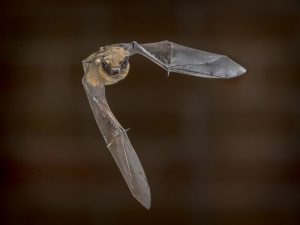
What Should You Do If a Bat Flies Into Your Chicago Home?
If a bat is flying around a room, start by reducing the area where it can move.
1. Keep People and Pets Away
Move children and pets out of the room and close interior doors so the bat cannot travel throughout the house.
Avoid chasing the bat or trying to knock it down. A frightened bat can become more difficult to locate and may move into another part of the home.
2. Give the Bat a Clear Way Outside
If appropriate, open an exterior window or door that provides a clear route outdoors.
Reduce unnecessary indoor lighting and keep the room as quiet as possible. The goal is to give the bat an opportunity to find its way out rather than trying to force it toward an exit.
3. Do Not Try to Catch a Flying Bat
Avoid using a broom, towel, net, or other object to chase or capture a bat while it is flying.
If the bat eventually lands and needs to be contained, follow guidance from local animal control or public-health officials rather than handling it with bare hands.
The Illinois Department of Public Health advises avoiding contact with bats and recommends contacting local animal control or the health department when a bat is found inside a home.
What If the Bat Won’t Leave?
Sometimes a bat may stop flying and hide behind curtains, furniture, blinds, or another dark area.
Do not assume it has left simply because you can no longer see it.
Keep interior doors closed and carefully check likely hiding areas from a safe distance. If you cannot locate the bat or do not feel comfortable dealing with it, contact a wildlife professional or local animal control.
For Chicago homeowners, this is especially important if you suspect the bat entered from an attic, roofline, chimney, vent, or another structural opening.
What If the Bat Is in a Bedroom?
A bat found in a bedroom deserves extra caution.
If everyone was awake and you are certain nobody had physical contact with the bat, you can focus on isolating the animal and providing an appropriate exit.
However, if a bat was found in a bedroom where someone was sleeping, or if a young child or someone unable to reliably report contact was present, do not simply assume there was no exposure.
Contact your local health department or a healthcare professional for advice.
The Illinois Department of Public Health notes that a bat in a home or contact with a bat can represent a potential rabies exposure and recommends having the circumstances evaluated by local public-health officials.
What Should You NOT Do When a Bat Is Inside?
Several common reactions can make the situation worse.
Don’t Chase the Bat
Running after a flying bat with a broom or other object can cause it to become stressed and may drive it into another room.
Don’t Touch It With Bare Hands
Never pick up a bat with your bare hands.
Even if it appears calm or harmless, avoid direct contact.
Don’t Use Poison or Household Chemicals
Do not attempt to poison, spray, or otherwise harm a bat inside your home.
Bats are protected wildlife in Illinois, and the state has specific rules regarding their handling and exclusion.
Don’t Seal an Opening Immediately
If you believe the bat entered from your attic, roofline, chimney, or another structural opening, do not immediately seal the suspected entry point.
If other bats are inside, sealing the opening at the wrong time can trap animals inside the structure.
Proper exclusion depends on the location, season, and circumstances.

Why Did a Bat Get Inside My Chicago House?
A single bat indoors does not necessarily mean there is an infestation.
A bat can accidentally enter through:
- An open window or door
- A damaged screen
- A roofline gap
- An attic opening
- A chimney
- A vent
- Gaps around exterior materials
- Other small openings in the structure
Chicago homes, particularly older properties, may have multiple potential access points around roofs, chimneys, soffits, vents, and utility penetrations.
If bats repeatedly appear indoors, however, there may be an accessible entry point or a roost somewhere inside the building.
How Can You Tell If Bats Are Living in Your House?
One bat flying through your living room is different from evidence of an established roost.
Possible signs of ongoing activity include:
- Bats repeatedly appearing inside
- Bats emerging from the roofline around dusk
- Droppings near suspected entry points
- Sounds coming from an attic or wall
- Activity around roof vents or other openings
- Multiple bats entering or leaving the same location
If you suspect bats are using your home as a roost, avoid disturbing the area until the situation has been properly assessed.
If the activity appears to involve your attic, read our guide Is It Dangerous to Have Bats in Your Attic? for additional information about warning signs and potential concerns.
Is One Bat in the House a Sign of an Infestation?
Not necessarily.
An individual bat may simply have entered accidentally through an open door, window, chimney, or another opening.
Repeated sightings are more concerning because they can indicate an accessible entry point or a roost within the structure.
If you have seen multiple bats or continue finding them inside, a professional inspection can help determine whether there is an underlying wildlife issue.
Can You Remove a Bat Yourself?
It depends on the situation.
If a healthy bat is flying freely in a room, giving it a safe route outside may be enough.
However, physically capturing or handling a bat can create unnecessary risk.
Professional help is recommended when:
- The bat is injured or grounded.
- The bat cannot be located.
- Several bats are present.
- Bats repeatedly enter the home.
- You suspect a roost in the attic.
- A bat is trapped in a wall or inaccessible space.
- Someone or a pet may have had contact with the animal.
- You need help identifying and addressing an entry point.
What If You Find a Bat That Is Not Flying?
Do not pick it up with your bare hands.
A grounded bat may be injured, sick, exhausted, or unable to take off from the surface where it landed.
Keep children and pets away and contact local animal control, a health department, or an appropriate wildlife professional for guidance.
If the bat may have had contact with a person or pet, do not release it until you have received appropriate guidance. The Illinois Department of Public Health specifically recommends contacting local public-health officials regarding potential exposure and whether the bat should be tested.
What If a Cat or Dog Caught the Bat?
Keep your pet away from the bat and avoid direct contact with either animal until you have received appropriate guidance.
Contact your veterinarian and local public-health authority to discuss possible exposure and any recommended next steps.
Do not assume that an apparently unharmed bat or pet means there is no potential concern.
How Can You Prevent Bats From Getting Inside Again?
Once the immediate situation has been resolved, the next step is determining how the bat entered.
Potential access points include:
- Roofline gaps
- Damaged soffits or fascia
- Roof vents
- Chimneys
- Gable vents
- Loose screens
- Openings around pipes and utilities
- Gaps around roofing materials
- Other small exterior openings
However, do not automatically seal an opening simply because you saw a bat nearby.
If bats are using part of the structure as a roost, exclusion needs to be planned carefully. Illinois guidance recommends using exclusion methods that allow bats to leave while preventing them from returning, and the timing of permanent exclusion can matter.
For prevention tips, see our guide Bat Control Chicago: How to Keep Bats Out of Your Home.
Does Chicago’s Bat Season Affect Removal?
Yes. Timing can matter when bats are using a building as a roost.
Homeowners should not assume that sealing an opening immediately is always the right solution. The presence of young bats and the time of year can affect how exclusion should be handled.
The Illinois Department of Public Health provides specific seasonal guidance for permanent eviction from non-living spaces such as attics.
For more information about local seasonal activity, see Chicago Bat Season: Bat Removal and Control.
When Should You Call a Wildlife Professional?
Professional assistance is a good option when a bat problem is recurring or you cannot safely determine where the animal came from.
Consider calling a wildlife professional if:
- Bats repeatedly enter your home.
- You suspect bats are living in the attic.
- Multiple bats are present.
- You hear activity in walls or ceilings.
- A bat is trapped in an inaccessible area.
- You find an injured or grounded bat.
- You discover possible entry points but are unsure how to address them.
- You need professional exclusion.
- You are concerned about possible contact with a person or pet.
A professional can help determine whether you are dealing with an isolated indoor visitor or a larger structural wildlife issue.
How Much Does Wildlife Removal Cost?
The cost of addressing a wildlife problem can vary depending on the animal involved, the location of the activity, access points, exclusion work, property size, and whether follow-up service is required.
If you’re researching potential expenses, our guide to wildlife removal costs in Chicago explains some of the factors that can affect pricing.
Frequently Asked Questions
How do I get a bat out of my house at night?
Keep people and pets away, isolate the bat in one room if possible, and provide a safe route outside. Avoid chasing or attempting to catch it while it is flying.
Will a bat leave my house on its own?
A healthy bat may leave if it has a clear exit and the room is quiet. If you can no longer see it, however, do not automatically assume it has left. It may have landed and hidden.
Should I turn off the lights when a bat is flying around?
Reducing unnecessary indoor lighting can help create a calmer environment and may make an available exit easier for the bat to find.
What should I do if I cannot find the bat?
Keep interior doors closed and carefully check likely hiding areas. If you cannot safely locate it, contact animal control or a wildlife professional rather than disturbing walls or ceilings.
Is it dangerous to have a bat inside the house?
A bat flying freely indoors does not automatically mean someone has been exposed to rabies. However, direct contact or possible unnoticed exposure should be taken seriously. If someone was sleeping in a room where a bat was present, seek advice from local public-health officials or a healthcare professional.
Can I catch a bat with a towel or blanket?
Avoid attempting to catch a flying bat. If it lands and needs to be contained, follow guidance from local animal control or public-health officials and avoid direct contact.
What if the bat keeps coming back into my house?
Repeated activity may indicate an opening somewhere around the building or a roost in the attic or another structural area. A professional inspection can help identify the source.
Should I seal the hole where the bat entered?
Not automatically. If other bats are inside, sealing an opening prematurely can trap them. Have the situation assessed before carrying out exclusion work.
How do I know if bats are in my attic?
Repeated activity around the roofline, droppings, sounds from the attic, or bats entering and leaving around dusk can indicate ongoing activity. A professional inspection can provide a clearer assessment.
Can bats get into walls?
Yes. Small openings can allow bats to access wall cavities and other protected spaces. If you suspect bats are inside a wall, avoid cutting into it or sealing openings without professional advice.
Do I need professional help for one bat?
Not necessarily. A single bat that accidentally enters through an open window or door may leave on its own. Professional assistance becomes more important when the bat cannot be safely managed, repeatedly enters the property, or appears to be part of a larger structural problem.
A Bat Got Inside Your Chicago Home? Get Professional Help When Needed
A bat flying around your house at night can be unsettling, but chasing or handling it is rarely the best response.
Keep children and pets away, avoid direct contact, provide a safe exit when appropriate, and seek guidance if there may have been exposure. If the bat is injured, cannot be located, repeatedly enters the property, or you suspect a roost, professional assistance is the safer option.
Chicago’s Green Trappers helps Chicago homeowners identify and address bat activity, including situations involving attics, roofline access, and recurring wildlife entry.
If a bat keeps getting into your home or you are unsure how it entered, contact Chicago’s Green Trappers for professional wildlife assistance and a safe plan for addressing the problem.