
Wildlife and animal problems can affect almost any property in Chicago, but the right removal approach depends heavily on the type of property involved. A squirrel in a residential attic, for example, may require a very different response from a rodent problem inside a restaurant, warehouse, office building, or commercial property.
While residential animal removal and commercial animal removal share some basic principles, the inspection process, scale of the problem, removal methods, prevention measures, and follow-up requirements can be very different.
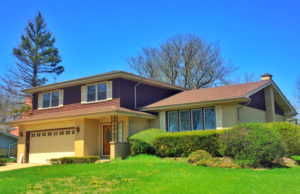
Understanding these differences can help Chicago property owners determine when professional animal removal is necessary and what to expect from the process.
What Is Residential Animal Removal?
Residential animal removal focuses on wildlife, rodents, and other animals that have entered or are living around a home.
Common residential problems include:
- Squirrels nesting in attics
- Raccoons entering attics or crawl spaces
- Mice and rats inside walls, basements, or garages
- Bats entering attics or living spaces
- Opossums around garages and sheds
- Wildlife entering through roof, soffit, chimney, or foundation openings
Homeowners may first notice scratching or movement in the walls, unusual noises at night, droppings, damaged insulation, chewed materials, or visible animals around the property.
The goal of residential removal is not simply to remove the animal. A complete solution should also identify how the animal entered and address conditions that could allow the problem to happen again.
For homeowners looking for help with a wildlife or animal problem, professional residential animal removal services can provide inspection, removal, exclusion, and prevention based on the property and animal involved.
What Is Commercial Animal Removal?
Commercial animal removal involves wildlife or pest problems affecting businesses, commercial buildings, offices, restaurants, warehouses, apartment buildings, retail locations, industrial facilities, and other non-residential properties.
Commercial properties can present additional challenges because they are often larger, have multiple access points, contain food or waste sources, and may have employees, customers, tenants, inventory, or equipment that must be protected.
Common commercial animal problems include:
- Rats and mice around restaurants and food-service businesses
- Rodents around dumpsters and loading areas
- Wildlife entering warehouses
- Birds nesting around commercial structures
- Raccoons or other wildlife entering roofs and upper areas
- Animals entering apartment buildings or multi-unit properties
- Rodents entering wall voids, utility areas, storage rooms, or mechanical spaces
Commercial rodent problems can be particularly challenging because sanitation, waste management, food storage, building maintenance, and exclusion all influence the likelihood of recurring activity.

The Illinois Department of Public Health recommends an integrated approach to rodent management that combines inspection, sanitation, exclusion, and appropriate control methods rather than relying on a single treatment.
For businesses and property managers, commercial animal removal services should therefore focus on both immediate removal and long-term prevention.
Residential vs. Commercial Animal Removal: Key Differences
Although the basic objective is the same—safely resolve the animal problem—the process can vary significantly.
1. Property Size and Complexity
Residential properties are generally smaller and easier to inspect. Technicians can typically focus on areas such as the attic, roofline, chimney, basement, crawl space, garage, or exterior.
Commercial properties may include multiple buildings, roofs, storage areas, mechanical rooms, loading docks, dumpsters, crawl spaces, and other potential entry points.
This means commercial inspections may require a broader assessment of the entire property rather than focusing on one isolated area.
2. Number of Potential Entry Points
A home may have several obvious entry points, such as damaged soffits, roof gaps, vents, chimneys, or foundation openings.
A commercial building can have considerably more access points because of its size and infrastructure.
Doors, loading bays, vents, utility penetrations, roof systems, drainage areas, and gaps around mechanical equipment can all contribute to animal or rodent access.
Identifying and addressing these openings is important because removing animals without correcting access points can lead to recurring problems.
3. Food and Waste Sources
Food availability is a major consideration for many commercial properties.
Restaurants, grocery stores, food-processing businesses, apartment complexes, and other facilities may have dumpsters, food storage, garbage, or other attractants that make the property more appealing to rodents and wildlife.
Illinois guidance specifically emphasizes sanitation, secure waste containers, proper food storage, and removal of potential harborage as important parts of rodent management.
Residential properties can also attract animals through pet food, birdseed, unsecured garbage, compost, or outdoor food sources, but the scale is usually smaller.
4. Inspection and Monitoring
A residential inspection may focus on identifying the animal, locating the entry point, and determining where it is nesting or traveling.
Commercial properties may require broader monitoring to determine:
- Where animals are entering
- Where they are nesting or feeding
- Whether activity is isolated or widespread
- Whether multiple buildings are affected
- Whether sanitation or waste areas are contributing
- Whether structural repairs or exclusion are needed
- Whether recurring monitoring is appropriate
This makes documentation and follow-up particularly important for commercial properties.
5. Removal and Exclusion
Removal is only one part of solving an animal problem.
Once the animal has been safely removed, potential entry points should be evaluated and, where appropriate, sealed or otherwise addressed.
This is particularly important with squirrels, raccoons, bats, and other wildlife that can repeatedly return to the same structure if access remains available.
Illinois guidance also emphasizes exclusion as an important part of long-term rodent control. Rats can enter through openings around 1/2 inch, while smaller openings can allow mice to enter.
Wildlife removal can also involve species-specific rules. For example, Illinois has specific guidance concerning bat exclusion periods, and wildlife control activities can be subject to state regulations.
Common Animals Found in Chicago Homes
Chicago homeowners may encounter a variety of animals around their property.
Squirrels
Squirrels commonly enter attics through damaged roof areas, soffits, vents, or other openings. Once inside, they may damage insulation, wiring, and other materials while creating nesting areas.
Raccoons
Raccoons can enter attics, chimneys, crawl spaces, and other protected areas. They may cause structural damage and create sanitation concerns through droppings and nesting activity.
Rats and Mice
Rodents can enter homes through surprisingly small openings. They may live inside walls, basements, attics, garages, crawl spaces, and other sheltered areas.
The Illinois Department of Public Health notes that rats can enter structures through openings larger than approximately 1/2 inch and recommends sanitation and exclusion as important prevention measures.
Bats
Bats may enter through roof gaps, vents, soffits, and other openings. Bat exclusion requires additional care because certain exclusion periods are intended to protect flightless young bats.
Common Animal Problems in Commercial Properties
Commercial properties can experience many of the same wildlife problems as homes, but the consequences can be more significant because of the size and use of the property.
For example, a rodent problem in a restaurant or food-service facility can affect food storage, sanitation, employee areas, customer areas, and business operations.
Warehouses may have extensive exterior areas where rodents can find food, shelter, and entry points.
Apartment buildings can also present unique challenges because an issue affecting one unit may potentially spread to other areas of the building.
For these properties, animal removal should be viewed as an ongoing property-management issue rather than simply a one-time animal removal.
Rodent Removal vs. Rat Extermination
Rodent removal and rat extermination are often used interchangeably, but they can describe different scopes of work.
Rodent removal may involve mice, rats, and other rodents found inside or around a property.
Rat extermination specifically focuses on identifying and controlling rat activity.
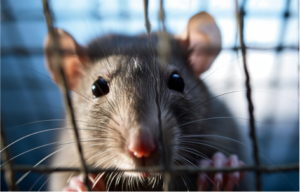
Effective rodent management generally involves more than eliminating visible animals. Inspection, sanitation, exclusion, trapping, and—where appropriate—carefully managed baiting can all play a role.
The Illinois Department of Public Health recommends evaluating the specific situation before selecting control methods and emphasizes exclusion and sanitation as key components of rodent management.
If you are dealing specifically with rats, a professional rat exterminator in Chicago can evaluate the property, identify signs of activity, locate potential entry points, and determine an appropriate control strategy.
When Should You Call a Professional?
Not every wildlife sighting requires professional removal. However, professional help is worth considering when an animal has entered the structure, is repeatedly returning, or is causing property damage.
Consider contacting a professional if you notice:
- Repeated scratching or movement inside walls or ceilings
- Animals entering your attic or crawl space
- Droppings or urine odors
- Chewed wiring or insulation
- Damaged vents, soffits, or roofing
- Repeated rat or mouse sightings
- A wildlife nest inside the structure
- An animal trapped inside a building
- Recurring activity after previous removal
- Signs of animals around a commercial food or storage facility
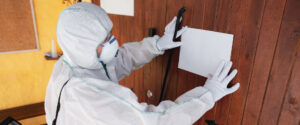
DIY removal can also create unnecessary risks if the animal is trapped, cornered, injured, or protecting young.
How to Prevent Future Animal Problems
The best animal removal strategy is one that also reduces the likelihood of another infestation.
Property owners should regularly check:
- Roof and soffit areas
- Vents and screens
- Chimneys
- Foundation gaps
- Garage doors
- Utility penetrations
- Crawl-space openings
- Damaged siding
- Exterior doors
- Dumpster and garbage areas
- Food and pet-food storage
For rodents, maintaining clean areas around buildings, securing garbage, reducing clutter, and sealing structural openings can make a property less attractive and less accessible.
Commercial property owners should also review waste-management practices, food-storage procedures, landscaping, exterior lighting, building maintenance, and loading areas as part of an ongoing prevention strategy.
How Much Does Animal Removal Cost?
The cost of animal removal varies significantly depending on the animal, location, accessibility, number of animals, property size, and whether exclusion or repairs are required.
A simple removal from an accessible area may be relatively straightforward. A wildlife problem involving an attic, roof, crawl space, multiple entry points, or significant structural damage can require substantially more work.
Commercial properties can also have higher costs because inspections and exclusion may involve larger areas or multiple buildings.
For a detailed breakdown of factors that influence pricing, see the guide to the cost of wildlife removal in Chicago.
Rather than choosing a service based only on the lowest quoted price, property owners should consider whether the service addresses the underlying access problem and provides a practical plan to prevent recurring activity.
Residential and Commercial Animal Removal in Chicago
The biggest difference between residential and commercial animal removal is not simply the size of the property. It is the complexity of identifying the animal, locating access points, protecting people and property, resolving the immediate problem, and preventing the issue from returning.
A squirrel in a home’s attic may require a focused inspection and exclusion solution. A rodent problem at a commercial facility may require inspection of the building perimeter, waste areas, food sources, entry points, and multiple interior areas.
In both situations, the objective should be the same: identify the problem, remove or control the animal appropriately, address access points, and reduce the chance of recurrence.
Frequently Asked Questions
Is residential animal removal different from commercial animal removal?
Yes. Residential removal generally focuses on individual homes and localized wildlife or rodent problems, while commercial removal may involve larger buildings, multiple entry points, food or waste sources, employees, customers, tenants, and ongoing monitoring.
What animals commonly require removal in Chicago?
Common problems include squirrels, raccoons, rats, mice, bats, opossums, and other wildlife. The appropriate removal method depends on the species and circumstances.
Should I remove an animal myself?
DIY removal is not always appropriate, particularly when an animal is inside a structure, trapped, aggressive, nesting, or subject to specific wildlife regulations. Professional assessment can help determine the safest and most appropriate approach.
Does animal removal include sealing entry points?
It can, depending on the service and situation. Addressing entry points is an important part of preventing recurring wildlife and rodent problems.
How can businesses prevent animal and rodent problems?
Businesses should maintain good sanitation, secure food and waste, reduce exterior harborage, maintain the building envelope, inspect potential entry points, and respond quickly when signs of animal activity appear.
How quickly should I address an animal inside my property?
It is generally better to address the problem early. Animals can damage insulation, wiring, roofing, stored materials, and other parts of a structure, while rodent activity can also create sanitation concerns.
Need Residential or Commercial Animal Removal in Chicago?
Whether you are dealing with wildlife inside your home or an ongoing animal problem at a business, getting the issue properly assessed can help prevent repeated damage and activity.
Chicago’s Green Trappers provides residential and commercial animal removal services in Chicago, helping property owners address wildlife and rodent problems with solutions focused on removal, access points, and prevention.
If you have noticed animal noises, droppings, damage, nesting activity, or animals entering your property, contact Chicago’s Green Trappers to discuss the problem and determine the appropriate next step.