
Hearing scratching, running, thumping, or movement above your ceiling can be unsettling—especially when you cannot see what is causing it. In Chicago homes, attics can provide animals with warmth, shelter, nesting material, and protection from harsh weather, making them an attractive place for wildlife and rodents to settle.
The problem is that an animal in the attic rarely stays a harmless nuisance. Wildlife can damage insulation, chew electrical wiring, contaminate the space with droppings and urine, and create openings that allow other animals to enter.
If you suspect something is living above your ceiling, the first step is to determine what may be inside and where it is getting in. From there, the right solution usually involves inspection, safe removal, and repairing the entry point rather than simply trying to trap or chase the animal away.
What Animals Commonly Get Into Chicago Attics?
Different animals behave differently, so the signs you notice can provide useful clues.
Common attic visitors include:
- Squirrels
- Rats and mice
- Raccoons
- Bats
- Opossums
- Birds
- Other small wildlife
The type of animal can depend on the home’s construction, surrounding trees, roof condition, season, and available entry points.
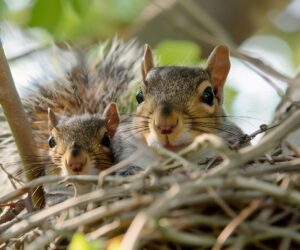
For example, squirrels commonly enter through damaged soffits, fascia, roof vents, or other openings around the roofline. Rats and mice may use much smaller gaps around pipes, utility lines, vents, and structural openings.
Raccoons can create much more noticeable damage because they are stronger and may tear or enlarge openings to get inside.
Bats are different again. They can use very small gaps around roofing materials, vents, chimneys, and other openings, particularly when they are looking for a protected place to roost.
Because different animals require different removal methods, identifying the problem before taking action is important.
How Do You Know an Animal Is Living in Your Attic?
Not every attic noise means an animal has moved in. However, repeated signs—especially several occurring together—should be investigated.
1. Scratching or Running Sounds
Scratching is one of the most common signs homeowners notice.
You may hear:
- Scratching inside walls or above ceilings
- Running across the attic floor
- Movement around insulation
- Gnawing or chewing
- Heavy footsteps or thumping
- Repeated activity around the roofline
Timing can also provide a clue.
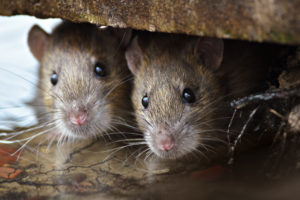
If the sounds are mostly during the day, squirrels or birds may be involved. Nocturnal activity can point toward rats, mice, raccoons, or other nighttime wildlife.
If you’re hearing unexplained movement primarily after dark, our article on noises in the attic at night provides more information on the sounds and behaviors that can help narrow down the possibilities.
2. Droppings or Urine Odor
Animal waste is another strong indication that an attic is being used as a shelter or nesting area.
You might find droppings:
- Around insulation
- Near nesting areas
- Along attic walkways
- Near entry points
- Around ductwork or other structures
A persistent unpleasant smell can also develop when an animal repeatedly uses the same area.
The concern isn’t simply the odor. Accumulated waste can contaminate insulation and surrounding surfaces, while disturbing contaminated material can create additional health concerns.
3. Damaged Insulation
Wildlife may pull apart insulation to create nesting areas.
You may notice:
- Flattened insulation
- Pulled or displaced material
- Nesting material
- Bare areas
- Tunnels or pathways through insulation
In severe infestations, the damage can become extensive enough to affect the attic’s insulation performance.
4. Chewed Wires or Wood
Rodents are particularly known for chewing.
If you discover gnaw marks on:
- Electrical wiring
- Wood framing
- Plastic
- Insulation
- Stored belongings
- Ductwork
don’t assume the damage is cosmetic.
Damaged electrical wiring can create a potentially serious fire hazard, while structural damage can become more significant if animals repeatedly use the same area.
5. Scratching Around the Roofline
Sometimes the clearest evidence isn’t inside the attic at all.
Look for:
- Damaged soffits
- Loose fascia
- Gaps around roof vents
- Damaged screens
- Openings near chimneys
- Missing roofing materials
- Holes around utility penetrations
These areas can provide wildlife with access to the attic.
Why Do Animals Choose Chicago Attics?
Attics offer several things wildlife needs to survive.
Warmth During Cold Weather
Chicago winters can be particularly difficult for small animals. An insulated attic provides protection from wind, snow, and freezing temperatures.
Protection From Predators
An enclosed attic gives wildlife a relatively secure place to rest and raise young.
Nesting Material
Insulation, cardboard, paper, stored materials, and other items can be used to construct nests.
Easy Access
A small roof or soffit opening may be all an animal needs.
Once one animal discovers a reliable entry point, the same opening can become a recurring access route.
This is why simply removing the animal without addressing the opening often doesn’t solve the underlying problem.
What Damage Can an Attic Animal Cause?
The damage depends on the species, how long it has been inside, and the condition of the attic.
Electrical Damage
Rodents and some wildlife can chew electrical cables. This should never be ignored.
If you see exposed or damaged wiring, avoid handling it and have the area inspected by an appropriate professional.
Insulation Damage
Nesting and movement can displace or contaminate insulation. If an infestation continues for an extended period, portions of the attic may require cleaning or insulation replacement.
Roof and Structural Damage
Animals may chew or tear materials around entry points. Larger wildlife can also damage roofing components, soffits, fascia, vents, and other areas while entering or exiting.
Odors and Contamination
Droppings, urine, nesting material, and in some cases a dead animal can leave persistent odors.
A proper solution may therefore require more than removing the live animal.
Repeated Infestations
One of the biggest problems is recurrence.
If an animal is removed but the access point remains open, another animal may eventually discover the same entry route.
That’s why successful wildlife control generally needs to address both the animal and the reason it was able to get inside.
Should You Try to Remove an Animal From the Attic Yourself?
DIY removal may seem simple when the animal appears to be small or when the only evidence is a noise above the ceiling.
In practice, attic wildlife can be difficult to identify and safely remove.
You may not know:
- How many animals are present
- Whether young animals are nearby
- Where the nest is located
- How the animal is entering
- Whether the animal is trapped inside
- Whether contaminated material is present
- Whether the animal could become aggressive when cornered
There is also a risk of sealing an opening while an animal is still inside. This can create a more serious problem rather than solving it.
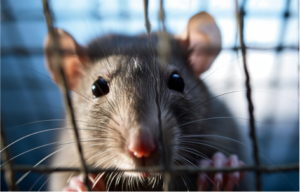
For rodents specifically, professional rodent control in Chicago may be appropriate when the signs point toward rats or mice rather than larger wildlife.
What Should You Do If You Find an Animal in Your Attic?
If you suspect wildlife has entered your attic, don’t immediately start tearing apart insulation or blocking holes.
Instead:
Step 1: Identify the Signs
Document what you are seeing and hearing.
Pay attention to:
- Time of day
- Type of noise
- Location of activity
- Droppings
- Nesting material
- Damage
- Possible entry points
This information can help determine what type of animal may be involved.
Step 2: Avoid Direct Contact
Do not attempt to grab, corner, or handle an unfamiliar wild animal.
An animal that feels threatened can react unpredictably.
Step 3: Don’t Seal the Entry Point Immediately
A common mistake is finding a hole and closing it before determining whether an animal is still inside.
If the animal is trapped indoors, sealing the opening can make the situation worse.
Step 4: Inspect the Exterior
From a safe location, look around the roofline for obvious openings.
Pay particular attention to soffits, fascia, vents, chimney areas, roof edges, and locations where utility lines enter the home.
Step 5: Have the Situation Properly Assessed
If signs continue or the animal cannot be identified, a wildlife professional can inspect the attic and exterior entry points to determine what is happening.
The goal should be to identify the species, determine how it is entering, remove it safely, and prevent the problem from returning.
How Is an Animal Removed From an Attic?
There isn’t one removal technique that works for every species.
The appropriate approach depends on the animal, its location, whether young are present, and how it is accessing the structure.
A professional inspection typically looks at:
- What animal is present
- Where it is nesting or moving
- How it is entering
- Whether multiple animals are present
- Whether damage or contamination has occurred
- How the entry point can be secured after removal
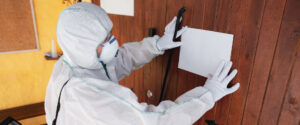
For example, squirrel removal may require a different approach from rat control, while raccoon or bat situations may involve additional considerations.
The objective isn’t simply to make the noise stop for one night. The objective is to resolve the underlying wildlife problem.
How Much Does Attic Animal Removal Cost in Chicago?
There isn’t a single price for attic wildlife removal because the total cost depends on the animal and the complexity of the situation.
Factors that can affect the cost include:
- Type of animal
- Number of animals
- Accessibility of the attic
- Location of the nest
- Number and size of entry points
- Damage to roofing or structural materials
- Required exclusion work
- Amount of contamination
- Cleanup or insulation replacement
For a broader overview of pricing factors, see our guide to wildlife removal costs in Chicago.
Squirrel infestations can also vary considerably depending on whether the animal is entering through the roof, living inside the attic, or accessing another part of the structure. Our guide to squirrel removal from an attic cost in Chicago explains the factors that can influence those situations.
It’s generally better to obtain an inspection and understand the actual scope of the problem than to choose a removal method based solely on the lowest advertised price.
How to Keep Animals Out of Your Attic
Once an animal has been removed, prevention becomes one of the most important steps.
Inspect the Roofline Regularly
Look for new gaps, damaged vents, loose roofing materials, and openings around the edges of the roof.
Repair Damaged Soffits and Fascia
Small structural openings can become access points for squirrels, rodents, and other wildlife.
Maintain Roof Vents
Damaged or improperly screened vents can provide easy access into attic spaces.
Trim Problematic Tree Branches
Branches that reach the roof can give squirrels and other animals easier access to the structure.
Secure Potential Entry Points
After confirming that no animals remain inside, appropriate openings should be repaired or secured.
The repair needs to be durable enough to prevent the animal from reopening the same access point.
Reduce Food Sources Around the Property
Outdoor food sources can encourage wildlife activity around a home.
Secure garbage, avoid leaving pet food outside, and keep other potential food sources properly contained.
When Should You Call a Wildlife Professional?
You don’t necessarily need professional help for every noise in an attic. However, an inspection becomes particularly important when:
- The noise happens repeatedly
- You see an animal entering or leaving
- There are droppings in the attic
- You smell urine or a strong animal odor
- Insulation has been disturbed
- Electrical wiring appears damaged
- You find a nest
- The animal appears trapped
- The problem keeps returning
- You cannot determine what is causing the noise
The longer an animal remains inside, the more opportunity there is for contamination and property damage.
Early identification can often make the problem easier to address.
Frequently Asked Questions
What is the most common animal found in Chicago attics?
Squirrels and rodents are common attic intruders, although raccoons, bats, birds, and other wildlife can also enter homes. The construction of the property and available entry points can influence which animals are most likely to get inside.
How can I tell if I have a rat or squirrel in my attic?
The timing and type of activity can provide clues. Squirrels are often active during the daytime and may create scratching or running sounds around the roof and attic. Rats are generally more active at night and can leave droppings, gnaw marks, and nesting material. However, sound alone isn’t always enough to make a reliable identification.
Can animals damage electrical wiring in an attic?
Yes. Rodents and some wildlife may chew electrical wiring. If you find damaged or exposed wiring, avoid touching it and arrange for the area to be inspected.
Will an animal leave my attic on its own?
It may, but relying on an animal to leave doesn’t necessarily solve the problem. If an entry point remains open, the same animal—or another one—can return. A recurring attic problem should be evaluated for both animal activity and structural access points.
Should I block a hole after seeing an animal enter my attic?
Not immediately. The animal may still be inside, and there could be young animals in a nest. Closing an opening without confirming that the space is clear can trap wildlife inside.
How long can an animal stay in an attic?
An animal can remain in an attic for an extended period if it has reliable shelter and access. If food and water are available nearby, the attic may become a recurring nesting location rather than a temporary shelter.
Can attic animals damage insulation?
Yes. Animals may pull apart, flatten, soil, or use insulation as nesting material. Significant contamination or damage may require professional cleanup or replacement.
Is it safe to clean animal droppings from an attic myself?
It depends on the amount and type of contamination. Avoid disturbing large amounts of droppings or contaminated insulation without understanding the potential health risks. Professional assessment may be appropriate when contamination is extensive.
What is the best way to prevent animals from returning?
The most effective approach is to identify how the animal entered, remove the animal appropriately, and then repair or secure the entry points. Exterior inspection and regular maintenance of the roofline can also help prevent future problems.
The Bottom Line
An animal in the attic is more than an annoying noise. What starts as occasional scratching or movement can develop into insulation damage, chewed wiring, contamination, unpleasant odors, and repeated wildlife problems.
The most important thing is to avoid treating every attic animal the same way. Identify the likely species, determine how it is getting inside, and address the underlying entry point rather than simply chasing the animal away.
For Chicago homeowners, taking action when you first notice repeated signs can help prevent a small attic wildlife issue from becoming a much larger—and more expensive—problem.
Need Help With an Animal in Your Attic?
If you are hearing unexplained noises, finding droppings, or suspect wildlife has entered your attic, Chicago’s Green Trappers can inspect the situation, identify the likely source, and recommend an appropriate removal and prevention solution for your home.
Call 773-819-6124 to discuss your attic wildlife problem and schedule an inspection.