
Living in Chicago means sharing the urban environment with a variety of wildlife. Raccoons may explore garbage bins, squirrels can find their way into attics, bats may roost in roof spaces, and rats and mice can enter buildings through small openings around foundations and utility lines.
Many wildlife encounters happen outdoors and do not require intervention. Problems develop when animals enter living spaces, damage building materials, contaminate areas, or repeatedly return to the same property.
For homeowners, understanding the most common wildlife problems in Chicago homes can make it easier to recognize warning signs and take appropriate action before a minor issue becomes more difficult to manage.
This guide explains which animals commonly cause problems around Chicago homes, why they enter buildings, how to recognize their presence, and what homeowners can do to prevent recurring wildlife activity.
What Wildlife Problems Are Common in Chicago Homes?
Urban wildlife conflicts can involve several types of animals. The species involved and the problems they cause depend on the property’s structure, surrounding vegetation, available food, and access to shelter.
Common issues include:
- Rats and mice entering kitchens, basements, garages, walls, and storage spaces.
- Squirrels nesting in attics or damaging roofline materials.
- Raccoons entering attics, chimneys, garages, or spaces beneath decks.
- Bats roosting in roof gaps, soffits, and other sheltered openings.
- Opossums sheltering beneath decks, sheds, porches, or other structures.
- Skunks digging beneath steps, decks, or foundations.
- Birds nesting in vents, chimneys, eaves, or other building openings.
Some homeowners also encounter coyotes, rabbits, and other wildlife in their yards. These animals are not necessarily a problem simply because they are present. The main concern is whether their behavior creates a safety issue, property damage, or repeated conflict.
Cook County recognizes raccoons, squirrels, opossums, bats, skunks, and coyotes among the wildlife species that coexist with people in the Chicago metropolitan area. The appropriate response depends on the species and the situation.
1. Rats and Mice Entering Homes
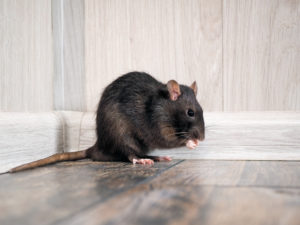
Rodents are among the most common wildlife-related concerns for urban property owners. Rats and mice can find food, water, and shelter around residential buildings, especially where waste, stored materials, or structural openings provide easy access.
Chicago homes may experience rodent activity in basements, kitchens, garages, crawl spaces, wall voids, and attics. Older buildings can have deteriorated seals or gaps around pipes, while newer properties can still develop entry points around doors, utility penetrations, and construction joints.
Common signs of rats and mice
Look for:
- Droppings along walls, in cupboards, or behind appliances.
- Gnaw marks on packaging, wood, or other materials.
- Shredded paper or insulation that may indicate nesting.
- Scratching sounds inside walls or ceilings.
- Damaged food containers.
- Burrows near the foundation or other sheltered outdoor areas.
- Repeated sightings, particularly near food and storage areas.
A single sign does not always establish the extent of a rodent problem. Droppings, gnawing, tracks, and other evidence should be considered together.
Why rodents enter Chicago homes
Rodents may enter when they find accessible food, water, or sheltered nesting areas. Unsecured garbage, pet food left outside, spilled birdseed, cluttered storage spaces, and gaps around pipes can all contribute to the problem.
Seasonal changes can also affect where rodents seek shelter, but indoor activity is not limited to winter.
How homeowners can prevent rodent problems
Store food in sealed containers, keep garbage secured, clean up spills, reduce clutter, and inspect the building exterior for gaps. Openings should be sealed with materials suitable for the size and location of the gap.
If rodents continue to appear after basic preventive steps, a more thorough inspection may be necessary. Professional rodent control in Chicago can help identify activity, investigate possible entry points, and determine suitable control and exclusion measures.
For more information about the local problem, read why rats are increasing in Chicago.
2. Raccoons Entering Attics, Chimneys, and Roof Spaces
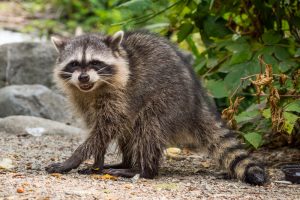
Raccoons are adaptable animals that can use residential structures as sheltered resting or denning locations. Attics, chimneys, roof gaps, and spaces beneath decks can provide protection from weather and disturbances.
Raccoons may also visit properties in search of accessible garbage, pet food, or other food sources. A home with a convenient food supply and an accessible roofline may attract repeated visits.
Warning signs of raccoons in a home
Homeowners may notice:
- Heavy footsteps or thumping sounds in the attic.
- Scratching or movement near the roofline.
- Damaged soffits, roof edges, or vents.
- Garbage bins that have been opened or overturned.
- Animal droppings near a denning location.
- Disturbed insulation or nesting materials.
- Repeated nighttime activity around the roof or chimney.
Noise alone cannot confirm that a raccoon is present. Squirrels and other animals can also make sounds inside a building. Look for physical evidence and the location of any damage before deciding which animal may be responsible.
Why raccoons enter residential properties
Raccoons are capable climbers and may use nearby trees, fences, downspouts, and structural features to reach elevated parts of a home. Damaged roofline materials, uncapped or damaged chimney openings, and gaps around eaves can provide access.
They may also return to a property if food remains readily available or a previous entry point has not been properly secured.
What should homeowners do?
Secure garbage, avoid leaving pet food outdoors, and inspect accessible roofline areas for damage. Do not attempt to approach, corner, or handle a raccoon, particularly if it is inside the house or appears distressed.
If an animal may have young inside an attic or chimney, avoid sealing the opening before confirming that the animals have been safely addressed. Blocking an entrance prematurely can trap animals inside or separate young from the adult.
For recurring activity or suspected denning inside a structure, raccoon removal in Chicago may be an appropriate service to investigate. The correct approach depends on the animal’s location, the condition of the structure, and applicable wildlife regulations.
3. Squirrels Nesting in Attics
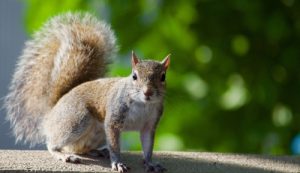
Squirrels are familiar sights in Chicago neighborhoods, particularly where mature trees and residential landscaping provide food and shelter. Although squirrels usually remain outdoors, they can become a problem when they gain access to attics or other enclosed spaces.
An attic can provide a sheltered place to rest or raise young. Once squirrels discover an opening, they may continue using it until the access point is properly addressed.
Signs of squirrels in an attic
Possible signs include:
- Fast running or scratching sounds during the day.
- Gnaw marks around soffits, fascia boards, or roof edges.
- Damaged attic vents or screens.
- Disturbed insulation.
- Nesting materials in sheltered corners.
- Small openings near roofline joints.
- Repeated squirrel activity around the same section of the roof.
Squirrels are generally active during the day, so daytime sounds near the roof may help narrow down the possibilities. However, activity patterns are clues rather than definitive identification.
How squirrels get inside
Squirrels may climb nearby trees and use roof edges, branches, and other structures to reach vulnerable sections of a building. Damaged soffits, loose roofline materials, and unprotected openings can provide access.
Branches close to the roof can also make it easier for squirrels to reach the building.
Preventing squirrel problems
Inspect roofline materials, maintain suitable vent protection, and address gaps before they become established entry points. Trim branches where appropriate, while considering tree health and local requirements.
If squirrels are already nesting in the attic, do not assume that sealing the visible hole will solve the problem. Animals may remain inside, and young may be present.
Learn more about squirrel removal from an attic and the factors that can affect the work needed to address an attic wildlife problem.
4. Bats Roosting in Roof Spaces
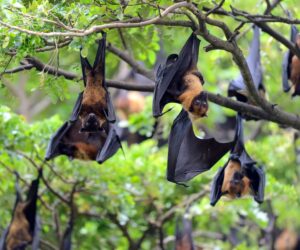
Bats are a natural part of Illinois ecosystems because they feed on insects. However, homeowners may become concerned when bats roost inside a roof space or enter an occupied room.
Attics and other enclosed spaces can provide suitable shelter, particularly when the building has small gaps around roofline materials, vents, or utility openings.
Signs of bats around a home
Possible signs include:
- Bats emerging from a roofline opening around dusk.
- Droppings accumulating beneath an entry point.
- Bats being discovered in a room.
- Repeated activity around a particular roof or attic area.
- Evidence of a roost in an enclosed space.
A single bat inside a room does not necessarily indicate an established colony. Repeated emergence from the same opening or accumulated droppings may suggest a more persistent roosting issue.
Why bats enter homes
Bats may use small openings to access sheltered roosting areas. Roof gaps, damaged vents, openings around pipes, and other structural defects can provide routes into attics or wall spaces.
The timing of any work matters. Bats are protected under the Illinois Wildlife Code, and exclusion must follow applicable rules and seasonal considerations.
What should homeowners do?
Avoid touching bats or attempting to handle them without appropriate guidance. If a bat is found in an occupied room, particularly where a person or pet may have had contact with it, contact the local health department for advice about potential exposure.
Do not seal suspected roost openings without determining whether bats are present and whether the work can be performed lawfully and safely.
Professional bat removal in Chicago can help assess the situation and determine suitable next steps. Proper exclusion and repair should prevent future entry without trapping bats inside the structure.
5. Opossums Shelter Beneath Decks, Porches, and Sheds
Opossums may occasionally settle beneath a deck, porch, shed, or other sheltered part of a property. Their presence can surprise homeowners, but an opossum in the yard is not automatically a threat.
Problems are more likely when the animal enters an enclosed space, repeatedly accesses garbage or pet food, or creates a den in a location where people and pets regularly pass.
Signs of an opossum problem
Homeowners may notice:
- An animal resting beneath a deck or shed.
- Disturbed soil around a sheltered opening.
- Garbage or pet food being accessed overnight.
- Movement near low-level openings.
- An animal entering a crawl space or basement.
Opossums are often active after dark, but their appearance during daylight does not by itself establish that they are dangerous or sick.
How to reduce unwanted visits
Keep garbage secured, bring pet food indoors, remove unnecessary debris, and inspect gaps beneath decks and sheds.
Before closing an opening, make sure no animal or young are inside. If an opossum has entered an inaccessible space, professional assessment may help determine how to address the situation without causing unnecessary harm.
6. Skunks Digging Near Foundations or Under Decks
Skunks may visit residential yards while searching for food or shelter. They sometimes dig in lawns for insects and grubs or use sheltered spaces beneath decks, porches, sheds, and other structures.
The main concern is often proximity to people and pets, particularly when a skunk has established a den near a frequently used entrance.
Common warning signs
Look for:
- Small digging areas in lawns or garden beds.
- Disturbed soil near a deck or shed.
- An animal repeatedly entering the same sheltered space.
- Strong odors near a suspected den.
- Activity around accessible garbage or outdoor food.
Digging alone does not prove that a skunk is present. Other animals can disturb lawns and garden beds, so inspect the location for additional evidence.
Preventing skunks from settling near a home
Secure waste, remove outdoor food sources, and maintain the areas beneath decks and sheds. Any exclusion work should first establish whether an animal is inside the space.
Avoid approaching, cornering, or trying to chase a skunk from a den. If it is living beneath a structure or creating a recurring problem, seek advice from an appropriate wildlife professional.
7. Birds Entering Vents, Chimneys, and Roof Openings
Birds can enter homes through damaged screens, uncapped chimneys, roof openings, and other gaps. Some may build nests in vents or sheltered areas along eaves and rooflines.
Bird activity outside the home is usually not a problem. Concerns arise when birds enter living spaces, block ventilation, damage building materials, or create contamination around an entrance.
Signs of bird-related problems
Common signs include:
- Nesting material around vents or eaves.
- Bird sounds inside a wall, chimney, or roof space.
- Droppings accumulating beneath a nesting location.
- Damaged or missing vent screens.
- Birds repeatedly entering and exiting the same opening.
How to prevent birds from entering
Maintain window screens, inspect vents, and ensure chimney caps are appropriate and in good condition. Before disturbing a nest or closing an opening, determine whether birds or eggs are present and check the applicable wildlife protections.
Do not block a ventilation opening simply to prevent animal entry. Any protective cover should be suitable for the system and installed without interfering with ventilation or fire safety.
8. Wildlife Damage to Roofs, Attics, and Insulation
One of the more expensive consequences of wildlife entering a home can be the damage left behind. An animal may create or enlarge an opening, disturb insulation, damage stored belongings, or leave droppings and nesting materials in an enclosed space.
The extent of damage depends on the animal, how long it has been present, and where it has gained access.
Areas worth inspecting
Pay attention to:
- Soffits and fascia boards.
- Roof edges and damaged shingles.
- Attic vents and screens.
- Chimney caps.
- Insulation and stored items.
- Ceiling and wall spaces.
- Electrical or mechanical areas near animal activity.
- Openings around plumbing and utility lines.
Chewing or nesting near wiring can create additional safety concerns. If damage is suspected around electrical systems, avoid disturbing the area and contact a qualified professional.
The animal should be identified and the entry route addressed before repairs are considered complete. Otherwise, another animal may use the same opening later.
For a broader overview of pricing factors, see wildlife removal cost in Chicago. Costs can vary with the animal involved, access difficulties, required exclusion work, and the extent of any necessary cleanup or repairs.
9. Animals Making Noises in Walls or Ceilings
Scratching, thumping, scurrying, or movement sounds can be unsettling, especially at night. However, sound alone is not enough to identify the animal.
Different species have different activity patterns and movement styles. Rats and mice may produce light scratching or scurrying, squirrels often make quicker daytime movements, and raccoons can produce heavier footsteps or thumping sounds. Other causes, including building systems, plumbing, and wind, may also create noises.
What homeowners should check
Note when the sound occurs, where it seems to originate, and whether there are other signs such as droppings, damaged materials, or an animal entering an opening outside.
Avoid cutting into walls or ceilings to investigate without first considering electrical, plumbing, structural, and contamination risks.
If the sound persists, an inspection can help determine whether wildlife is present and whether an entry point needs to be addressed.
For more detailed guidance, read noises in the attic at night and what animal could be responsible.
Why Do Wildlife Problems Keep Returning to Chicago Homes?
Recurring wildlife problems often indicate that the conditions allowing the animal to enter or remain on the property have not been fully addressed.
Several factors can contribute to repeat activity.
Unsealed Entry Points
An opening that was never repaired, or a repair that has deteriorated, can allow the same animal or a different one to enter again. Check rooflines, soffits, vents, utility openings, doors, and foundation gaps.
Accessible Food and Garbage
Open trash containers, spilled birdseed, pet food left outside, and fallen fruit can attract wildlife to a property. Removing these food sources can make the yard less appealing.
Nearby Shelter
Dense vegetation, brush piles, clutter, and spaces beneath decks can provide sheltered locations. Maintaining the property and reducing unnecessary hiding places can help.
Incomplete Exclusion
Removing an animal does not automatically prevent another from entering. Effective prevention usually requires identifying how the animal gained access and repairing the relevant opening.
Repeated Activity in the Same Location
Animals may return to familiar shelter or food sources. If activity continues, the property may need a more thorough inspection rather than repeated attempts to address the visible signs alone.
How to Prevent Wildlife Problems Around Your Chicago Home
Preventive maintenance can reduce the likelihood of unwanted animal entry. A few practical habits can help homeowners identify problems before they become more difficult to manage.
Inspect the Exterior Regularly
Check the roofline, soffits, vents, chimney cap, foundation, doors, and utility penetrations. Look for loose materials, damaged screens, gaps, and signs of chewing or nesting.
Secure Garbage and Outdoor Food
Use sturdy containers with secure lids. Bring pet food indoors when possible, clean up spilled birdseed, and avoid leaving food scraps in accessible outdoor areas.
Maintain Trees and Landscaping
Where appropriate, trim branches that provide easy access to the roof. Remove unnecessary brush piles and keep stored materials away from the house where practical.
Protect Vents and Openings
Use suitable covers and screens designed for the opening. Repairs should preserve required airflow and should not interfere with chimneys, combustion appliances, or other building systems.
Address Wildlife Activity Before Sealing Gaps
If an animal may be inside, do not close the opening until its presence has been assessed and the situation handled appropriately. This is especially important when young animals may be present or when protected species are involved.
Keep Records of Recurring Problems
Take note of where animals are seen, where sounds occur, and whether signs return after repairs. This information can help a professional assess the likely entry route and determine what needs to change.
For additional prevention advice, the Illinois Department of Natural Resources’ Wildlife Illinois resource explains how reducing accessible food and shelter and using suitable exclusion measures can help limit wildlife conflicts.
When Should You Call a Wildlife Removal Professional?
Not every wildlife sighting requires removal. An animal passing through the yard or visiting a tree may not be causing a problem.
Professional help becomes more relevant when an animal enters the living space, establishes a den inside a structure, repeatedly damages the building, or cannot be safely accessed.
Consider arranging an assessment if:
- An animal is living in the attic, wall void, chimney, or crawl space.
- A roofline or vent has been damaged.
- Wildlife repeatedly enters the same area.
- There may be young animals inside a structure.
- Droppings or nesting materials have accumulated in an enclosed area.
- Rodents are repeatedly appearing indoors.
- A bat has entered an occupied room or possible contact with a person or pet has occurred.
- The correct animal or safest response is unclear.
Avoid handling wild animals, approaching animals that appear sick or distressed, or attempting risky roof and attic work yourself. Bats and other wildlife may also be subject to specific state rules, so the appropriate response should be confirmed before removal or exclusion.
A professional assessment can help identify the species, inspect likely entry points, determine whether exclusion is appropriate, and recommend repairs to reduce the chance of recurrence.
Frequently Asked Questions About Wildlife Problems in Chicago Homes
What are the most common wildlife problems in Chicago homes?
Common problems include rats and mice entering buildings, squirrels nesting in attics, raccoons accessing roof spaces or chimneys, bats roosting in enclosed areas, and birds nesting in vents. Opossums and skunks may also shelter beneath decks or sheds.
Why do wild animals enter houses?
Animals may enter when a building provides shelter, a nesting location, or access to food and water. Gaps around rooflines, vents, foundations, and utility lines can provide entry routes, while unsecured garbage and outdoor food can attract animals to the property.
How can I tell which animal is in my attic?
Look at the timing of activity, the type of sound, the location of any damage, and physical evidence such as droppings or nesting materials. These clues may help narrow down the possibilities, but an inspection may be needed to confirm the species.
Are wildlife problems more common in winter?
Some animals seek shelter in buildings as temperatures change, but wildlife activity occurs throughout the year. Rats and mice can remain active indoors, while squirrels, raccoons, and bats have different seasonal behaviors. Prevention and exclusion should be based on the species and circumstances.
Should I seal a hole if an animal is entering my attic?
Not until you have determined whether an animal or its young may still be inside. Sealing an active entrance prematurely can trap animals inside or prevent an adult from reaching its young. Confirm the situation and use an appropriate exclusion method before completing repairs.
Can wildlife damage a home’s roof or insulation?
Yes. Animals may damage soffits, vents, roofline materials, and insulation while entering or nesting in a structure. Droppings and nesting materials may also require appropriate cleanup. The extent of damage depends on the animal and the time it has spent inside.
Does every wild animal near a home need to be removed?
No. Many animals can remain outdoors without causing a problem. Intervention is more appropriate when wildlife creates a safety concern, enters an occupied structure, causes recurring damage, or creates a situation that requires professional assessment.
How much does wildlife removal cost in Chicago?
Costs depend on the animal involved, the location and accessibility of the problem, the number of entry points, the amount of exclusion work needed, and whether cleanup or repairs are required. A property-specific assessment is more reliable than assuming every wildlife problem has the same price.
Protect Your Chicago Home From Wildlife Problems
Wildlife is part of the Chicago environment, but animals entering an attic, chimney, wall void, or other enclosed space can create damage and require careful attention.
Recognizing the warning signs, securing food and waste, maintaining the building exterior, and addressing entry points can help reduce the likelihood of recurring problems. When an animal is already inside a structure or the situation cannot be safely identified, an appropriate professional assessment can help determine the next steps.
Chicago’s Green Trappers provides residential and commercial animal removal services in the Chicagoland area. If you are dealing with rodents, raccoons, squirrels, bats, or other wildlife around your property, contact Chicago’s Green Trappers to discuss the issue and the appropriate removal or prevention options.