
Hearing scratching, scurrying, or chewing above your ceiling can be frustrating—and sometimes alarming. If the noises happen during the day, especially in the morning or late afternoon, squirrels may be one possible cause.
A squirrel in the attic is more than a nuisance. These animals can damage insulation, chew electrical wiring, create nesting areas, and enlarge the opening they used to enter. The longer they remain inside, the greater the chance of property damage.
The good news is that most squirrel problems can be resolved safely when the animal is identified, removed appropriately, and the entry point is addressed afterward.
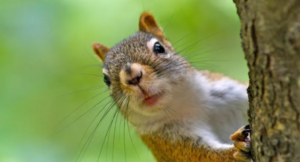
How Do You Know If You Have a Squirrel in Your Attic?
You may hear a squirrel before you ever see one.
Common signs include:
- Scratching, running, or scurrying sounds overhead
- Gnawing or chewing noises
- Activity that is more noticeable during daylight hours
- Damaged insulation or shredded nesting material
- Chewed wood around the roofline or attic
- Gnaw marks on electrical wiring
- Droppings or urine odors
- A visible nest inside the attic
- Squirrels repeatedly climbing onto the roof
- An opening around a soffit, fascia, vent, or roofline
Squirrels are active year-round, and an attic can provide a warm, dry place to nest and raise young. Chicago’s Green Trappers notes that attic activity may include scratching and scurrying, along with damage to wiring, wood, and insulation.
Is the Noise Definitely From a Squirrel?
Not necessarily.
Raccoons, rats, mice, bats, birds, and other wildlife can also get into attics and produce similar sounds.
The timing and type of noise can provide clues, but it is better to identify the animal before attempting removal. If you’re hearing activity but cannot determine what is causing it, a professional inspection can prevent you from using the wrong approach.
Why Do Squirrels Get Into Attics?
To a squirrel, an attic can offer many of the things it needs: shelter, warmth, protection from predators, and a quiet place to build a nest.
Squirrels can enter through openings around:
- Soffits and fascia
- Roof vents
- Gable vents
- Damaged screens
- Loose roofing materials
- Roof-to-wall junctions
- Chimneys
- Gaps around utility lines
- Damaged siding
- Other openings along the roofline
Once a squirrel finds an accessible opening, it may enlarge it by chewing.
This means the original gap can become significantly larger over time.
Can Squirrels Damage Your Attic?
Yes. One of the biggest concerns with an attic infestation is the damage squirrels can cause while nesting and chewing.
Electrical Wiring
Squirrels constantly gnaw to keep their teeth from becoming overgrown. Electrical cables can become targets, creating a potential fire hazard if insulation around the wires is damaged.
If you find chewed wiring, do not attempt to repair it yourself. Have it inspected by a qualified electrician.
Insulation
Squirrels may tear insulation apart and use it as nesting material. Damaged or displaced insulation can reduce its effectiveness and may need to be repaired or replaced.
Wood and Roof Components
Squirrels can chew around soffits, fascia, vents, and other building materials, particularly when creating or enlarging an entry point.
For a more detailed look at the potential property damage, see our guide on how squirrels damage roofs and attics in Chicago homes.
Nesting and Contamination
A squirrel may bring leaves, insulation, paper, and other materials into the attic to create a nest. Droppings and urine can also accumulate around areas where the animal regularly rests.
Are Squirrels in the Attic Dangerous?
Squirrels generally try to avoid people, but an animal trapped inside a building can become stressed and unpredictable.
The bigger concern for homeowners is often property damage.
Chewed electrical wiring, damaged insulation, structural openings, and contamination can all become expensive problems if the infestation is ignored.
You should also avoid handling a squirrel or attempting to corner it inside the attic. Wild animals can bite or scratch when they feel threatened.
If a squirrel has entered an occupied area of your home, keep children and pets away and contact a wildlife professional.
What Should You Do If You Find a Squirrel in Your Attic?
The first step is to avoid making the situation worse.
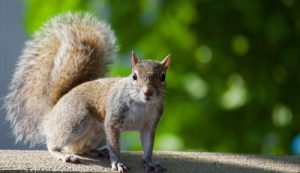
Don’t Chase the Animal
Trying to chase a squirrel around an attic can cause it to hide deeper inside the structure or find another route into the house.
Don’t Seal the Opening Immediately
This is a common mistake.
If the squirrel is still inside, sealing the opening can trap it in the attic. If a mother has babies, you could also separate the adult from the young.
The animal should be confirmed out before the primary entry point is permanently sealed.
Don’t Use Poison
Poison is not an appropriate DIY solution for a squirrel inside your home. It can create unnecessary risks and may result in an animal dying somewhere inaccessible, leading to odor and sanitation problems.
Don’t Assume One Squirrel Means One Animal
If you hear repeated activity, there may be a nest or young animals present.
A proper inspection can determine what is actually happening before removal begins.
How Is a Squirrel Safely Removed From an Attic?
Professional removal generally starts with an inspection rather than immediately placing a trap.
A wildlife professional may:
- Inspect the attic and exterior to identify signs of activity.
- Locate entry and exit points around the roofline.
- Check for nesting or young animals.
- Determine whether squirrels are currently inside.
- Use an appropriate removal method based on the situation.
- Confirm the animals are out before permanent exclusion.
- Seal vulnerable openings to prevent re-entry.
- Assess damage to insulation, wiring, wood, and other materials.
The goal is not simply to get the squirrel out for one day. The goal is to prevent the same access point from becoming an invitation to another animal.
What Is Squirrel Exclusion?
Squirrel exclusion means making the building difficult or impossible for squirrels to re-enter after the active problem has been resolved.
This can involve repairing or reinforcing:
- Roofline openings
- Soffits
- Fascia
- Vents
- Chimney openings
- Damaged screens
- Gaps around pipes and utilities
- Other vulnerable areas
Exclusion is particularly important because squirrels are persistent. If the original opening remains accessible, another animal may eventually discover it.
For more prevention advice, see Squirrel Removal Chicago: How to Keep Them Out.
What If There Are Baby Squirrels in the Attic?
A mother squirrel may use an attic as a nesting location, particularly when it provides protection from weather and predators.
If you hear squeaking or repeated movement from a specific area, do not assume there is only one adult squirrel.
Removing a mother without considering whether young are present can create a much bigger problem. Babies may be left behind, while the mother may attempt to re-enter the building.
A wildlife professional can inspect the area and determine whether young are present before recommending the safest course of action.
How Long Can a Squirrel Stay in an Attic?
A squirrel may leave periodically to search for food, but that does not necessarily mean it has abandoned the attic.
If the structure provides a suitable nesting area and the animal can easily get back inside, it may continue using the space for an extended period.
Waiting for the squirrel to “leave on its own” can therefore allow damage to continue.
Can Squirrels Get Into the House From the Attic?
Yes.
A squirrel that enters through the roof or attic may eventually find its way into wall cavities, ceilings, or other parts of the home, especially if there are openings between the attic and living areas.
If you see a squirrel inside your home rather than just hearing one above the ceiling, close doors to isolate the area if possible and keep children and pets away.
Do not try to grab or corner the animal.
How Much Does Squirrel Removal Cost?
The price of professional squirrel removal depends on the circumstances of the infestation.
Factors may include:
- Location of the animal
- Accessibility of the attic
- Number and size of entry points
- Whether young are present
- Amount of damage
- Exclusion requirements
- Cleanup or insulation work
- Follow-up visits
Since you already have a dedicated pricing guide, homeowners looking for detailed information can see How Much Does Squirrel Removal Cost in Chicago? rather than repeating pricing information here.
How Can You Prevent Squirrels From Returning?
After removal, prevention should focus on the areas squirrels used to enter.
Homeowners can reduce future problems by:
- Inspecting rooflines periodically
- Repairing damaged soffits and fascia
- Keeping vents properly screened
- Checking for gaps around chimneys and utility lines
- Removing or repairing damaged roofing materials
- Keeping tree branches trimmed away from vulnerable roof areas
- Checking the attic for early signs of nesting
- Addressing openings before they become larger
Do not seal an opening until you are confident that no squirrel remains inside.
When Should You Call a Wildlife Professional?
Professional help is recommended if:
- You repeatedly hear movement in the attic.
- You see a squirrel entering or leaving the roof.
- You find chewed electrical wiring.
- Insulation has been disturbed or destroyed.
- You discover a nest.
- You suspect baby squirrels are present.
- A squirrel has entered your living space.
- You cannot safely access the suspected entry point.
- Previous attempts to remove the animal have failed.
Fast action can also limit the amount of damage that needs to be repaired.
Frequently Asked Questions
How do I know if I have squirrels or rats in my attic?
Squirrels are often more active during the day and may produce noticeable scratching, running, and gnawing sounds. Rats are generally more active at night. However, sound alone isn’t enough for reliable identification. Look for additional evidence such as droppings, nesting material, chewing damage, and exterior entry points.
Will squirrels leave my attic on their own?
They may leave temporarily to find food, but they can return if the attic remains accessible. If there is a nest or young present, they may continue using the attic as a shelter.
Can I trap a squirrel myself?
DIY trapping can be risky because you may not know whether young are present or whether additional squirrels are inside. You also need to address the entry point after removal. Professional assessment can help avoid trapping an animal inside the structure.
Should I seal the hole where the squirrel is entering?
Not while you believe the squirrel is still inside. Confirm that the animal has left before permanently sealing the opening. Otherwise, you could trap it inside or separate a mother from her young.
Can squirrels chew through electrical wires?
Yes. Squirrels gnaw on many materials, including electrical wiring. Damaged wiring can create a serious safety concern and should be inspected by a qualified electrician.
How do squirrels get into attics?
They commonly enter through damaged soffits, fascia, roof vents, gaps, loose materials, and other openings around the roofline. Some openings may be difficult to notice from the ground.
How can I keep squirrels out after removal?
The most reliable approach is to identify and reinforce the entry points the squirrels used. Removing nearby attractants and maintaining the roofline can also help reduce future problems.
What if I hear baby squirrels in the attic?
Do not immediately seal the entry point. There may be a mother and young inside. A wildlife professional can inspect the attic and determine the safest way to handle the situation without unnecessarily separating the animals.
Do squirrels damage homes if left alone?
They can. Continued activity may result in damaged wiring, insulation, wood, vents, and other building materials. Early intervention can help limit the extent of repairs.
Squirrel in Your Attic? Get Professional Wildlife Help
A squirrel in the attic is not something homeowners should ignore. What starts as a few scratching sounds can develop into damaged insulation, chewed wiring, nesting, and an increasingly difficult exclusion problem.
The safest solution is to identify the animal, determine whether young are present, remove the squirrel appropriately, and secure the entry points afterward.
Chicago’s Green Trappers provides professional wildlife removal for homeowners dealing with squirrels in attics and other areas of their property. If you hear unexplained activity, see a squirrel entering your roofline, or discover signs of damage, contact a wildlife professional for an inspection and a safe removal plan.