
If bats have gotten into your attic, roofline, chimney, or another part of your Chicago home, one of the first questions you may have is: How much does bat removal cost?
The answer depends on much more than the number of bats. A single bat that accidentally enters a living space is a very different situation from a colony living in an attic and using several entry points.
The total cost can depend on the location of the bats, colony size, accessibility, exclusion work, the number of openings that need to be sealed, and whether cleanup or insulation work is necessary.
For planning purposes, professional bat removal can range from a few hundred dollars for a straightforward situation to well over $1,000 when extensive exclusion, attic work, or cleanup is involved. Published 2026 cost data also shows that prices vary significantly by the size and complexity of the project, so a local inspection is more useful than relying on a single average price.
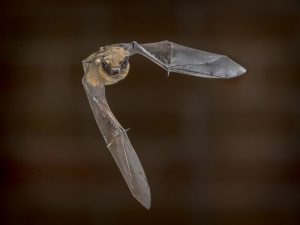
How Much Does Bat Removal Cost in Chicago?
A typical bat removal project can fall into several different cost categories:
| Bat removal situation | Typical planning range |
| Single bat or straightforward removal | $150–$400+ |
| Basic bat removal or control | $300–$800+ |
| Bat exclusion and entry-point sealing | $800–$2,500+ |
| Larger attic or established colony | $1,000–$3,000+ |
| Extensive guano cleanup or restoration | $500–$3,000+ |
These are general planning ranges, not fixed Chicago prices or quotes. The actual cost depends on the property, access, colony size, exclusion requirements, and condition of the affected area.
For example, current Chicago cost data from Angi places basic professional bat removal in a lower range, while other 2026 cost sources report substantially higher totals for larger colonies and more extensive exclusion work. That difference illustrates why bat-removal pricing should be evaluated on the actual scope of the job rather than an advertised flat rate.
What Is Included in Bat Removal?
Bat removal is often more complicated than simply getting bats out of a building.
A professional service may include:
- Inspection of the property
- Locating bat entry and exit points
- Determining where bats are roosting
- Assessing the size of the colony
- Installing appropriate exclusion devices
- Sealing openings after bats have exited
- Checking roofline, vents, soffits, and other vulnerable areas
- Cleaning affected areas when necessary
- Recommending repairs or insulation replacement when damage is present
This is why two homes with what appears to be the same bat problem can receive very different estimates.
Bat Removal vs. Bat Exclusion: What’s the Difference?
One of the most important things homeowners should understand is that bat removal and bat exclusion are not always the same thing.
If one bat enters an occupied room, the immediate issue may simply be getting the animal safely out of the living space.
An established colony in an attic requires a different approach.
Instead of trying to trap or kill the bats, professional wildlife control typically focuses on allowing bats to leave while preventing them from returning. This can involve one-way exclusion devices followed by permanent sealing of entry points.
The Illinois Department of Public Health identifies exclusion as the primary way to prevent and control bats in structures. Illinois also protects bats under the state’s Wildlife Code, making appropriate timing and methods particularly important.
For homeowners looking specifically for bat removal in Chicago, the goal should therefore be more than simply getting bats out of the house. The goal is to address the access points that allowed them inside.
How Much Does Bat Removal From an Attic Cost?
Attic bat removal can cost more than removing a single bat from a living area.
Attics can contain multiple entry points, difficult-to-reach roofline gaps, vents, soffits, chimney connections, and other openings.
The cost can increase when:
- A colony has been established for a long time
- There are multiple entry points
- The roof is difficult to access
- The attic has limited working space
- Exclusion devices are required
- Damaged areas need repair
- Guano has accumulated
- Insulation has been affected
- Additional wildlife has entered the structure
A simple attic situation may be resolved for several hundred dollars, while a larger colony requiring extensive exclusion and restoration can run into the thousands.
The important point is that attic bat removal is usually an exclusion project rather than a simple animal pickup.

How Much Does Bat Exclusion Cost?
Bat exclusion is the part of the process that prevents the problem from coming back.
A technician may identify gaps around:
- Rooflines
- Soffits
- Fascia
- Gable vents
- Chimneys
- Roof vents
- Utility penetrations
- Siding
- Damaged roofing materials
- Other structural openings
The number and accessibility of these openings can have a major effect on the final price.
For a small property with one or two accessible entry points, exclusion may be relatively straightforward. A larger home with several roofline openings can require substantially more labor and materials.
Some published 2026 estimates place exclusion and sealing anywhere from several hundred dollars to several thousand dollars depending on colony size and complexity.
Why Is Bat Exclusion More Expensive Than Basic Removal?
Homeowners sometimes compare a bat removal quote with a typical rodent removal service and wonder why the prices are different.
The work is not necessarily comparable.
With bats, the technician may need to:
- Identify the roosting area.
- Locate multiple entry points.
- Determine how bats are using the structure.
- Install one-way exclusion equipment.
- Wait for the bats to exit.
- Confirm that bats have left.
- Seal the openings permanently.
- Address contamination or damage if necessary.
The roof and attic can also require ladders, specialized equipment, additional labor, and careful inspection.
That combination can make a bat exclusion project considerably more involved than removing an individual animal.
What Does Bat Guano Cleanup Cost?
Bat droppings, commonly called guano, can become another significant part of the project.
A small amount of droppings in an otherwise clean area may require limited cleanup.
An established colony, however, can leave accumulated waste in insulation, attic flooring, or other difficult-to-access areas.
Cleanup costs depend on:
- Amount of guano
- Size of the affected area
- Accessibility
- Condition of insulation
- Required protective equipment
- Cleaning and sanitation requirements
- Whether insulation needs to be removed and replaced
Published 2026 estimates for guano cleanup vary widely, with larger contaminated attic spaces potentially costing thousands of dollars.
This is why a homeowner should not automatically assume that a bat-removal quote includes attic cleanup.
Ask specifically whether the estimate includes:
- Bat removal or exclusion
- Entry-point sealing
- Guano removal
- Cleaning and sanitation
- Insulation removal
- Insulation replacement
- Repairs
Does the Size of the Bat Colony Affect the Cost?
Yes.
A single bat that accidentally enters a home is very different from an established colony.
A larger colony generally means:
- More inspection work
- More potential entry points
- More exclusion work
- More cleanup
- Greater likelihood of insulation or structural impact
Current 2026 cost data shows that colony size can cause project costs to increase substantially, particularly when dozens or hundreds of bats are involved.
However, homeowners should not try to estimate colony size simply by counting bats they see.
Most bats in an attic will remain hidden during daylight hours.
Does the Location of the Bats Affect the Price?
Absolutely.
A bat in an accessible living room is generally easier to address than a colony behind a wall, inside a chimney, or high along a roofline.
Potentially more complicated locations include:
Attics
Attics are common roosting areas and may require exclusion and sealing across several openings.
Rooflines
High rooflines can require additional equipment and labor.
Chimneys
Chimney access can make inspection and exclusion more complicated.
Walls
Bats inside wall cavities can be difficult to locate and may require careful investigation.
Crawl Spaces
Limited access can increase the time required for inspection and exclusion.
The harder it is to safely reach and inspect the affected area, the more the project may cost.
Does the Time of Year Affect Bat Removal?
Yes, and this is one of the most important considerations in Illinois.
Bat exclusion from an attic or another non-living space cannot simply be performed at any time.
The Illinois Department of Public Health provides specific seasonal windows for permanent exclusion from non-living spaces because of the risk of trapping young bats that cannot yet fly. Its current guidance identifies March 15–May 15 and August 5–October 30, when evening temperatures are above 50°F, as exclusion periods for these situations.
A bat found inside an actively used living space is treated differently.
Because timing can affect the appropriate approach, homeowners should not simply seal an opening after seeing a bat enter or leave.
For more information about seasonal considerations, see our guide to safe bat control and seasonal removal in Chicago.
Why You Shouldn’t Seal the Hole Immediately
It can be tempting to find the opening and seal it immediately.
That can create a bigger problem.
If bats are still inside the structure, sealing the opening can trap them inside. During certain periods, it can also separate mothers from young bats that cannot yet fly.
A proper exclusion strategy determines how bats are entering and leaving before permanent repairs are completed.
The objective is to let bats exit safely and then prevent re-entry at the appropriate time.
Can You Remove Bats Yourself?
A homeowner may be able to deal with an isolated bat that has entered a living space, but an established colony is a different situation.
DIY exclusion becomes difficult when:
- Entry points are not obvious
- Bats are inside an attic or wall
- Multiple openings are involved
- The roof is difficult to access
- Guano is present
- There may be young bats
- The correct exclusion timing is unclear
There is also a health consideration when people or pets may have had contact with a bat.
The Illinois Department of Public Health advises contacting the appropriate local health department after potential bat exposure so the circumstances can be evaluated.
What Makes a Bat Removal Quote Higher?
When comparing estimates, look beyond the headline price.
A higher quote may reflect additional work such as:
- Large colony removal
- Difficult roof access
- Multiple exclusion points
- Extensive sealing
- Damaged vents or roofing
- Attic cleanup
- Guano removal
- Insulation replacement
- Follow-up inspections
- Structural repairs
A very low initial quote may also exclude important parts of the job.
Before choosing a service, ask exactly what is included.
What Should a Bat Removal Estimate Include?
A useful estimate should explain the scope of work rather than simply provide one number.
Ask whether the quote includes:
Inspection:
Will the property be inspected for entry points and roosting areas?
Exclusion:
Will one-way devices or another appropriate exclusion method be used?
Sealing:
Are the identified openings included in the price?
Cleanup:
Does the estimate include guano removal and sanitation?
Insulation:
If contaminated insulation must be removed, is that included?
Repairs:
Are damaged roofline or vent areas included or quoted separately?
Follow-up:
Will the property be checked after exclusion?
Understanding these details makes it easier to compare estimates from different wildlife-removal providers.

How to Prevent Bats From Returning
Once bats have been safely excluded, preventing another infestation is important.
Common preventive measures include:
- Sealing roofline gaps
- Repairing damaged vents
- Securing attic openings
- Checking chimney caps
- Repairing damaged soffits and fascia
- Inspecting areas around utility penetrations
- Maintaining roof and exterior components
- Monitoring previously used entry points
Bats can use surprisingly small openings, so simply closing the largest visible hole may not be enough.
A thorough inspection should consider the entire exterior rather than one obvious opening.
Are Bat Problems Only an Attic Problem?
No.
Although attics are common roosting locations, bats can also enter:
- Chimneys
- Wall cavities
- Garages
- Porches
- Roof spaces
- Sheds
- Other enclosed structures
If you are seeing bats around the property but cannot determine where they are entering, the issue may require a broader inspection.
You can also learn more about bat problems in Chicago homes if you are unsure what signs to look for.
Bat Removal vs. Other Wildlife Removal Costs
Bat removal is only one part of the broader wildlife-removal category.
Raccoons, squirrels, bats, and other wildlife can require very different removal and exclusion methods.
For example, the cost of wildlife removal depends on the animal, where it is located, accessibility, and the type of exclusion or repair required. Current Chicago pricing data also shows substantial differences between wildlife species.
For a broader comparison, see our guide to wildlife removal costs in Chicago.
Frequently Asked Questions
How much does bat removal cost in Chicago?
Basic bat removal can cost a few hundred dollars, while larger exclusion projects involving attic colonies, extensive sealing, or cleanup can cost $1,000 or more. The final price depends on the colony size, location, accessibility, exclusion requirements, and cleanup needs.
How much does it cost to remove bats from an attic?
Attic bat removal can range from several hundred dollars for a straightforward situation to several thousand dollars when extensive exclusion, sealing, cleanup, or restoration is required.
Is bat exclusion more expensive than removing one bat?
Usually, yes. Removing one bat from an occupied room is generally much simpler than excluding an established colony from an attic and sealing multiple entry points.
Does bat removal include cleanup?
Not always. Some services include basic cleanup, while guano removal, sanitation, and insulation replacement may be separate services. Always confirm what is included in the estimate.
Can I seal the bat entry point myself?
Sealing an entry point without understanding how bats are using the structure can trap bats inside or separate mothers from young bats. Illinois has specific guidance concerning the timing of exclusion, so the appropriate approach should be determined before permanent sealing.
What is the best time to remove bats in Chicago?
The appropriate timing depends on where the bats are located and whether young bats are present. Illinois provides specific seasonal windows for permanent exclusion from non-living spaces such as attics.
Is bat guano dangerous?
Bat guano can create health concerns, particularly when contaminated material becomes airborne. Cleanup should be handled carefully, especially when substantial accumulation is present.
Should I call a professional if I see only one bat?
If a bat enters an occupied room, especially where people or pets may have had contact with it, professional or local public-health guidance is appropriate. If bats are repeatedly entering or exiting an attic, roofline, or other part of the structure, an inspection can help identify whether a colony is present.
The Bottom Line
The cost of bat removal in Chicago depends on the actual problem—not simply the number of bats you happen to see.
A single bat inside a living space may require a relatively simple response. An established attic colony can require inspection, exclusion, entry-point sealing, cleanup, and possibly insulation or structural repairs.
The most important step is identifying how the bats are getting inside and whether a colony is present.
Trying to solve the problem by simply sealing the first opening you find can create additional problems, particularly during periods when young bats may be unable to fly.
For homeowners dealing with recurring bat activity, a professional inspection can determine the appropriate removal and exclusion approach while taking Illinois requirements and the condition of the property into account.
Professional Bat Removal in Chicago
Chicago’s Green Trappers has served Chicagoland since 1972 as a family-owned and operated wildlife and rodent removal company. With more than 50 years of local experience, the team provides professional bat removal, humane exclusion, wildlife removal, and prevention solutions for Chicago homes and businesses.
Free inspections are available, and qualifying work is backed by a lifetime warranty. If you are dealing with bats in an attic, roofline, chimney, or another part of your property, contact Chicago’s Green Trappers at 773-819-6124 to discuss the situation.