
Finding bats inside your attic, chimney, or walls can be unsettling. While bats play an important role in controlling insects, they should never live inside your home. If you’ve been searching for bat removal Chicago or bat removal near me, it’s important to understand when removal is possible and why professional bat control is the safest solution.
Many homeowners are surprised to learn that bat removal isn’t simply about getting rid of the animals. It requires careful planning, knowledge of wildlife regulations, and timing the work around the bat removal season to ensure the colony leaves safely without trapping young bats inside.
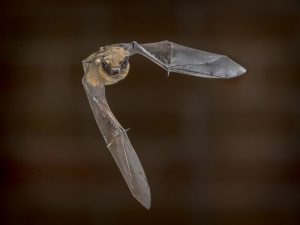
Are There Bats in Chicago?
Yes. If you’re wondering are there bats in Chicago, the answer is absolutely.
Several bat species live throughout the Chicago area and commonly seek shelter in:
- Residential attics
- Roof vents
- Church steeples
- Commercial buildings
- Chimneys
- High-rise structures
- Garages
- Wall cavities
Most bats in Chicago become active during warmer months when insects are abundant. As temperatures drop, they either migrate or enter hibernation depending on the species.
If you hear scratching or fluttering sounds after sunset, notice droppings beneath rooflines, or see bats flying around your home at dusk, it’s time to schedule a professional inspection.
Why Bat Removal Requires Special Care
Unlike many nuisance wildlife species, bats are protected in many situations because they provide important environmental benefits.
Professional bat removal focuses on:
- Identifying every entry point
- Installing one-way exclusion devices
- Allowing bats to leave naturally
- Sealing access points after the colony exits
- Cleaning contaminated areas when necessary
This humane exclusion process permanently solves the problem without harming the animals.
For more details on humane exclusion methods, see our guide on Bat Exterminator vs Bat Removal Chicago.
Understanding Bat Removal Season
One of the biggest misconceptions is that bats can be removed at any time of year.
The bat removal season depends on whether young bats are present.
During maternity season:
- Baby bats cannot fly.
- Sealing entry points too early can trap pups inside.
- Dead bats may create odor and sanitation issues.
- Professional wildlife companies often delay exclusions until young bats become independent.
Outside maternity season, exclusion work is typically much safer and more effective.
Learn more in our guide to Best Time for Bat Removal Chicago.

Signs You May Need Bat Control
Homeowners often don’t see bats directly.
Instead, they notice warning signs such as:
- Chirping or scratching sounds in the attic
- Bats flying from roof edges at dusk
- Dark staining near roof gaps
- Accumulations of bat droppings (guano)
- Strong ammonia-like odors
- Greasy marks around entry holes
If you observe these signs, professional bat control can identify the source before the colony expands.
Why DIY Bat Removal Often Fails
Many homeowners attempt temporary fixes like:
- Foam sealants
- Repellents
- Bright lights
- Ultrasonic devices
Unfortunately, these rarely solve the problem.
Bats can squeeze through openings as small as 3/8 inch and often locate alternative entry points if exclusion isn’t performed correctly.
Improper removal can also violate wildlife regulations or trap animals inside the structure.
Is a Bat Exterminator the Right Solution?
People often search for a bat exterminator, but professional wildlife companies generally use humane exclusion rather than extermination.
The goal is to:
- Remove the colony safely
- Prevent future entry
- Protect both homeowners and wildlife
Permanent exclusion provides a longer-lasting solution than simply trying to eliminate the animals.
Why Professional Bat Trappers Are Different
An experienced bats trapper or wildlife removal specialist understands bat behavior, seasonal restrictions, and building construction.
Professional inspections include:
- Roofline examination
- Soffit and fascia inspection
- Chimney evaluation
- Vent screening
- Entry point identification
- Exclusion planning
- Cleanup recommendations
This comprehensive approach helps prevent recurring infestations.
Common Areas Where Bats Enter Chicago Homes
Many older homes in Chicago provide ideal entry points.
Common access areas include:
- Roof intersections
- Loose fascia boards
- Attic vents
- Ridge vents
- Dormers
- Chimneys
- Brick gaps
- Damaged siding
Regular inspections can identify these vulnerabilities before bats establish a colony.
For more information, read Bat Problems in Chicago Homes.
Bat Removal for High-Rise Buildings
Bat activity isn’t limited to residential homes.
Many commercial properties and apartment buildings experience bat problems at:
- Upper floors
- Mechanical rooms
- Rooftop structures
- Expansion joints
- Utility openings
High-rise exclusion requires specialized equipment and planning.
Learn more about Chicago High-Rise Bat Removal Challenges.
Why Early Inspection Saves Money
Ignoring bat activity can lead to:
- Larger colonies
- Increased cleanup costs
- Insulation contamination
- Odor problems
- Structural damage from accumulated guano
Addressing the issue early often results in a simpler and more affordable removal process.
You can also learn how wildlife removal pricing varies in our article on Why Wildlife Removal Costs Vary by Animal Type.
Professional Bat Removal in Chicago
If you’ve noticed signs of bats in Chicago, don’t wait until the colony grows larger. Professional inspections can identify entry points, determine whether removal is appropriate for the current season, and create a long-term exclusion plan that protects your home.
Chicago’s Green Trappers provides humane, effective bat removal Chicago services designed to remove bats safely while preventing future infestations.
FAQs
Are there bats in Chicago?
Yes. Several bat species live throughout Chicago and often roost in attics, chimneys, roof spaces, and commercial buildings.
When is bat removal season?
The ideal timing depends on the bat species and whether maternity colonies are present. Professional inspections determine when exclusion can be performed safely.
Can I remove bats myself?
DIY methods rarely solve the problem permanently and may trap bats inside your home. Professional exclusion is the safest and most effective solution.
Is bat extermination legal?
In most situations, humane exclusion is the recommended approach. Professional wildlife specialists focus on safely removing bats without harming them.
How do I know if I need bat control?
Common signs include scratching noises in the attic, bat droppings, odors, dark stains near roof gaps, and bats flying around your property at dusk.