
Squirrels may look harmless while running across trees and power lines, but once they find a way into your home, they can cause significant damage. In Chicago, squirrels often seek shelter inside homes during colder months, nesting season, or whenever they find an easy entry point.
If you’ve been hearing scratching noises above your ceiling or noticed damaged roof vents, there’s a good chance squirrels have already moved in.
Knowing where squirrels hide in Chicago homes and recognizing the early warning signs can help you prevent expensive repairs and protect your property.

Why Do Squirrels Enter Homes?
Chicago’s changing seasons make homes an attractive shelter for squirrels. They typically enter buildings to:
- Build nests for raising babies
- Escape freezing winter temperatures
- Stay safe from predators
- Store food during colder months
Once inside, squirrels often remain for weeks or even months if they’re not removed properly.
Common Places Squirrels Hide Inside Chicago Homes
1. Attics
Attics are the most common hiding place for squirrels.
They provide:
- Warm insulation
- Quiet nesting areas
- Protection from weather
- Easy access through roof openings
Once inside, squirrels may chew insulation, electrical wiring, wood framing, and stored belongings.
If you hear running or scratching overhead early in the morning, your attic should be inspected immediately.
2. Roof Voids
Many Chicago homes have roof cavities between the ceiling and roof deck.
These spaces allow squirrels to:
- Move throughout the home unnoticed
- Build hidden nests
- Access multiple entry points
Roof void infestations often produce scratching noises that seem to move from room to room.
3. Wall Cavities
Although less common than attics, squirrels sometimes become trapped or intentionally nest inside wall voids.
Signs include:
- Scratching inside walls
- Chewing sounds
- Baby squirrel noises during spring
- Strange odors if an animal becomes trapped
4. Chimneys
Uncapped chimneys provide an ideal entry point.
Mother squirrels frequently use chimneys as nesting locations because they resemble hollow trees.
Without proper chimney caps, squirrels can eventually find their way into fireplaces or other parts of the home.
5. Garages and Sheds
Detached garages and backyard sheds often contain:
- Stored boxes
- Insulation
- Wood framing
- Quiet nesting spaces
Although less damaging than attic infestations, squirrels can still chew wiring and stored items.
How Do Squirrels Get Inside Chicago Homes?
Most homeowners are surprised by how small an opening squirrels need.
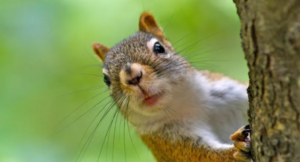
Common entry points include:
Damaged Roof Vents
Plastic or aluminum roof vents are easy for squirrels to chew through.
Roof Edges (Roofline Gaps)
Loose fascia boards, deteriorating soffits, and roof gaps create ideal access points.
Eaves and Soffits
A small gap under roof overhangs is often enough for squirrels to squeeze inside.
Chimneys Without Caps
Open chimneys remain one of the easiest access points.
Gable Vents
Wooden or plastic gable vents can easily be chewed open.
Utility Openings
Cable lines, plumbing penetrations, and HVAC openings sometimes leave gaps around exterior walls.
Tree Branches Touching the Roof
Branches that extend close to the roof give squirrels an easy bridge onto your home.
Keeping trees trimmed several feet away from the roof helps reduce squirrel access.
Early Warning Signs of a Squirrel Infestation
The sooner you recognize the signs, the easier the problem is to solve.
Watch for:
Scratching or Running Noises
Most active:
- Early morning
- Late afternoon
Unlike mice, squirrels are primarily active during daylight.
Chewed Wood
Inspect:
- Roof edges
- Fascia boards
- Soffits
- Roof vents
Fresh chewing often indicates active entry.
Droppings
Squirrel droppings are larger than mouse droppings and are commonly found near nesting areas.
Nesting Materials
Inside attics you may find:
- Leaves
- Twigs
- Insulation
- Paper
- Fabric
Strong Odors
Urine and nesting debris eventually produce unpleasant smells.
Dead squirrels trapped inside walls create much stronger odors requiring professional removal.
Visible Squirrel Activity
Frequent squirrel traffic across your roof often indicates they already have an established entry point.
Damage Squirrels Can Cause
Ignoring squirrels can lead to costly repairs.
Common damage includes:
- Chewed electrical wiring
- Fire hazards
- Torn insulation
- Roof damage
- Water leaks
- Contaminated insulation
- Structural wood damage
Repair costs often exceed the cost of professional squirrel removal.
When Is Squirrel Activity Highest in Chicago?
Squirrels are active throughout the year, but homeowners experience the most problems during:
- Late Winter: Searching for warm nesting sites.
- Spring: Raising baby squirrels inside attics.
- Fall: Storing food and preparing for winter.
- Winter: Remaining sheltered inside homes.
Understanding these seasonal patterns can help homeowners schedule inspections before infestations become severe.
Should You Remove Squirrels Yourself?
Many DIY removal attempts make the situation worse.
Potential problems include:
- Trapping babies inside
- Creating new entry holes
- Increased chewing damage
- Violating Illinois wildlife regulations
Professional wildlife removal focuses on humane removal, locating all entry points, and permanently sealing access points.
How Professionals Remove Squirrels
A complete squirrel removal service typically includes:
- Full exterior inspection
- Identification of entry points
- Humane squirrel removal
- Baby squirrel inspection during nesting season
- Nest removal
- Sanitization if necessary
- Entry point repairs
- Wildlife-proof exclusion work
This approach helps prevent squirrels from returning.
How to Prevent Future Squirrel Problems
Homeowners can reduce the risk of infestations by:
- Trimming tree branches away from the roof
- Installing chimney caps
- Repairing damaged soffits and fascia
- Reinforcing roof vents with wildlife-resistant materials
- Sealing exterior gaps
- Scheduling annual roof inspections
Preventive maintenance is far less expensive than repairing squirrel damage later.
Protect Your Chicago Home from Squirrels
Squirrels often enter homes quietly, but the damage they leave behind can be extensive. If you’ve noticed scratching noises, chewed roof vents, or squirrels frequently running across your roof, don’t wait for the problem to grow.
A professional inspection can identify hidden entry points, remove squirrels safely, and protect your home from future infestations.
Frequently Asked Questions
Where do squirrels usually hide inside homes?
Squirrels most commonly hide in attics, roof voids, wall cavities, chimneys, garages, and sheds where they can safely build nests.
How can I tell if squirrels are in my attic?
Listen for scratching or running noises during the early morning or late afternoon. Other signs include chewed wood, droppings, nesting materials, and visible squirrel activity on your roof.
Can squirrels damage electrical wiring?
Yes. Squirrels constantly chew to keep their teeth from overgrowing, and electrical wiring is a common target. Damaged wiring can create a serious fire hazard.
How do squirrels get into Chicago homes?
Common entry points include damaged roof vents, soffits, fascia boards, chimney openings, gable vents, and gaps around utility lines.
Is it safe to remove squirrels myself?
DIY removal can leave baby squirrels trapped inside or fail to address all entry points. Professional removal is usually the safest and most effective solution.