
Hearing scratching, running, or fluttering sounds above your ceiling can be unsettling. One of the first questions homeowners ask is, “What animal is in my attic?”
In Chicago, attic noises are most commonly caused by rats, squirrels, or bats. While these animals may sound similar at first, each leaves different signs, causes different types of damage, and requires a different removal approach.
Knowing what you’re dealing with helps you act quickly before a small wildlife problem turns into expensive repairs.
Why Animals Choose Chicago Attics
Attics provide everything wildlife needs:
- Warm shelter during cold winters
- Safe nesting locations
- Protection from predators
- Quiet places to raise young
- Easy access through roof gaps and vents
Once inside, animals often stay until they’re professionally removed or the entry points are sealed.
Is It a Rat?
Rats are active throughout the year and are one of Chicago’s most common attic pests.
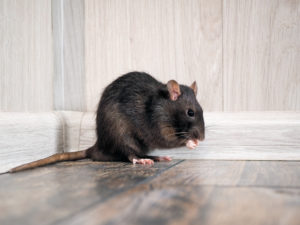
Common signs include:
- Fast scratching inside walls
- Small droppings
- Gnawed wood and wiring
- Grease marks along beams
- Strong ammonia-like odor
Unlike squirrels, rats are mostly active after dark.
If you suspect rats, don’t wait. Read our guide on Why Rats Are a Year-Round Problem in Chicago before the infestation grows.
Could It Be a Squirrel?
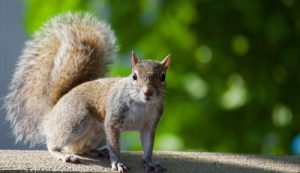
Squirrels often enter attics during spring and fall.
They usually create:
- Heavy running sounds
- Loud chewing
- Nesting materials
- Damage around roof vents
- Activity shortly after sunrise
Squirrels constantly chew to keep their teeth trimmed, making roof structures and electrical wiring common targets.
Many homeowners also ask about squirrel removal from attic cost, but the final price depends on the number of entry points, nesting activity, and repairs needed after removal.
Are Bats Living in Your Attic?
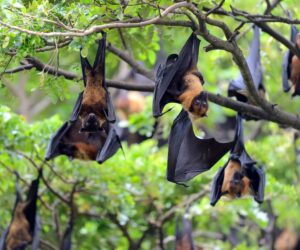
Unlike rats or squirrels, bats don’t chew wood or wires.
Instead, you’ll notice:
- Chirping or squeaking
- Fluttering sounds
- Droppings beneath entry points
- Strong odors from guano
Chicago’s bat activity increases during warmer months, especially during maternity season when removal timing is regulated.
Learn more about Chicago Bat Season & Bat Removal before attempting to remove bats yourself.
Compare the Sounds
| Animal | When You’ll Hear It | Common Noise |
| Rats | Mostly at night | Scratching, gnawing |
| Squirrels | Early morning & afternoon | Running, jumping, chewing |
| Bats | Dusk and dawn | Chirping, fluttering |
If you’re unsure, our guide on Noises in the Attic at Night: What Animal Could It Be? explains the differences in greater detail.
Common Damage Caused by Attic Wildlife
No matter which animal is inside, delaying removal can lead to expensive repairs.
Common problems include:
- Damaged insulation
- Chewed electrical wiring
- Roof leaks
- Contaminated insulation
- Foul odors
- Structural wood damage
- Fire hazards
Repair costs often exceed the cost of early wildlife removal.
How Much Does Attic Animal Removal Cost?
One of the most searched questions is animal in attic removal cost.
Pricing depends on several factors:
- Animal species
- Number of animals
- Nest removal
- Damage repairs
- Entry point sealing
- Home size
- Roof accessibility
A professional inspection provides the most accurate estimate because every infestation is different.
If you’re comparing wildlife removal prices, our guide explains the factors that influence costs.
Why DIY Removal Often Fails
Many homeowners trap one animal only to discover more remain inside.
DIY removal often misses:
- Hidden nests
- Baby animals
- Secondary entry points
- Sanitation needs
- Permanent exclusion work
Professional wildlife removal addresses the entire problem, reducing the chance of future infestations.
Prevent Future Wildlife Problems
After removal, prevention is just as important.
Protect your home by:
- Trimming tree branches away from your roof
- Installing chimney caps
- Repairing roof vents
- Sealing soffit and fascia gaps
- Inspecting your roof annually
- Replacing damaged vent covers
These steps make your home less attractive to rats, squirrels, bats, and other nuisance wildlife.
When Should You Call a Wildlife Professional?
Contact a professional if you notice:
- Scratching or running sounds
- Visible droppings
- Strong attic odors
- Chewed wiring
- Animals entering roof vents
- Damage around your roofline
Fast action helps prevent larger infestations and more costly repairs.
Whether you’re dealing with rats, squirrels, bats, or another nuisance animal, a professional inspection can identify the species, locate entry points, and safely remove the animals before more damage occurs.
If you need comprehensive help, explore our Animal Removal Services in Chicago for humane wildlife removal, exclusion, and prevention solutions.
Frequently Asked Questions
What animal is most likely making noise in my attic?
In Chicago, attic noises are most commonly caused by rats, squirrels, or bats. The timing and type of sound can help identify the animal.
Is animal in attic removal expensive?
The cost depends on the species, the size of the infestation, damage repairs, and exclusion work. A professional inspection is the best way to determine the total cost.
Should I remove attic animals myself?
DIY removal often leaves behind nests, baby animals, or hidden entry points. Professional wildlife removal is generally safer and more effective.
Can attic animals return after removal?
Yes. If entry points aren’t sealed, new animals can enter through the same openings. Exclusion and repairs are essential for long-term protection.