
Rodents can create problems in commercial properties long before a business owner sees a rat or mouse. Small openings around utility lines, gaps beneath loading doors, poorly maintained waste areas, and cluttered storage rooms can provide rodents with access to food and shelter.
For businesses in Chicago, inspecting these risks is an important part of maintaining a clean, functional property. Offices, warehouses, restaurants, retail stores, apartment buildings, and other commercial facilities can all have conditions that attract rodents or allow them to enter.
A commercial rodent inspection helps identify signs of rat or mouse activity, possible entry points, and property conditions that may contribute to recurring problems. It can also help business owners determine whether preventive maintenance is sufficient or whether professional commercial rodent control in Chicago is needed.
This checklist explains what to inspect, which warning signs deserve attention, how to reduce rodent risks, and when to seek professional help.
Why Commercial Properties Need Rodent Inspections
Commercial buildings often have several features that make rodent prevention challenging. Employees and deliveries move through entrances throughout the day, waste accumulates in collection areas, and storage rooms may contain materials that provide hiding places.

Some properties also have loading docks, shared utility spaces, underground parking, basements, or older structural openings that are difficult to monitor during routine cleaning.
Rodents may enter through small gaps and remain hidden in wall voids, ceilings, storage areas, or spaces behind equipment. Their presence may become noticeable only after employees find droppings, hear scratching, notice gnaw marks, or discover damaged packaging.
Regular inspections can help businesses identify these warning signs and address the conditions that allow rodents to remain on the property.
A commercial rodent inspection is particularly useful when:
- Moving into a new office, warehouse, retail unit, or other commercial property.
- Preparing a building for a new tenant or business opening.
- Taking over a property with an unknown maintenance or pest-control history.
- Investigating recurring rodent activity despite previous treatments.
- Renovating a building or changing how storage and waste areas are used.
- Responding to complaints from employees, tenants, customers, or neighboring businesses.
If you are preparing to occupy a new building, a broader wildlife and rodent inspection can also help identify potential access points for animals beyond rats and mice. Businesses can learn more about commercial wildlife removal in Chicago when an inspection reveals signs of squirrels, raccoons, bats, or other wildlife.
Commercial Rodent Inspection Checklist: 10 Areas to Check
A useful inspection should cover both the inside and outside of a property. Finding rodent evidence indoors without examining the exterior can leave the original entry route unresolved.
1. Exterior Walls and Building Foundations
Start with the building perimeter. Rats and mice can enter through openings around foundations, wall joints, pipes, cables, and other utility penetrations.
Look for:
- Gaps or cracks around the foundation.
- Openings where plumbing, electrical, or communication lines enter the building.
- Damaged seals around wall-mounted equipment.
- Holes near basement windows or exterior access points.
- Burrows in soil beside the foundation.
- Gnaw marks or worn areas around possible entry points.
- Accumulated debris or vegetation that provides sheltered areas near the building.
Pay particular attention to locations where different materials meet, such as the junction between a foundation and exterior siding.
Not every crack indicates rodent activity, but openings that connect the outside environment to interior spaces should be assessed and appropriately sealed.
2. Loading Docks, Delivery Entrances, and Service Doors
Loading docks and service entrances deserve special attention because doors may open frequently and remain open while deliveries are received.
Inspect:
- Gaps beneath loading dock doors.
- Worn or missing door sweeps.
- Damaged weatherstripping.
- Openings around dock-leveler equipment.
- Gaps beside service doors and frames.
- Doors that do not close properly.
- Rodent droppings or gnaw marks near door edges.
- Pallets, cartons, and equipment stored directly against exterior entrances.
A door that appears secure when closed may still leave enough space for rodents to enter. Check the full perimeter rather than examining only the center of the doorway.
Where rodents have been active, look beyond the door itself. Damaged seals, nearby burrows, and exterior food or waste sources may also need attention.
3. Waste Storage Areas and Dumpsters
Waste areas are among the most important locations to inspect at commercial properties. Food scraps, leaking bags, open containers, and residue around dumpsters can provide rodents with a dependable food source.
Check whether:
- Dumpster lids close securely.
- Containers have holes or damaged panels.
- Waste is regularly removed.
- Food residue is accumulating around bins.
- Trash bags are being left outside containers.
- The ground beneath and around dumpsters is clean.
- Drains and nearby openings are properly protected.
- Vegetation, discarded equipment, or stored materials provide hiding places.
Businesses should also review how employees dispose of food waste and packaging during operating hours.
Where practical, keep waste containers away from building entrances and maintain a clean area around them. The Illinois Department of Public Health recommends secure waste storage, regular removal, sanitation, and exclusion as important parts of rodent management.
4. Kitchens, Break Rooms, and Food Storage Areas
Even businesses that do not prepare food may have kitchens, employee break rooms, vending areas, or food storage spaces that attract rodents.
Inspect:
- Cabinets and cupboards.
- Areas beneath refrigerators and vending machines.
- Food storage shelves.
- Spaces behind appliances.
- Sink cabinets and plumbing connections.
- Areas beneath counters.
- Food waste bins.
- Spills and crumbs around eating areas.
Food should be stored in sealed, rodent-resistant containers rather than open cardboard packaging where possible. Employees should clean spills promptly and avoid leaving food or dirty dishes overnight.
Check for droppings, gnaw marks, damaged packaging, unusual odors, and nesting materials. If food packaging has been contaminated, isolate affected products and follow appropriate sanitation and disposal procedures.
For restaurants, food-service operations, and food storage facilities, inspection and corrective actions should also be consistent with applicable health requirements and the property’s food-safety procedures.
5. Storage Rooms, Stockrooms, and Warehouses
Storage areas can allow rodent activity to go unnoticed because boxes, pallets, inventory, and unused equipment create numerous hiding places.
Look for:
- Droppings along walls and behind stored materials.
- Chewed cartons or product packaging.
- Shredded paper, fabric, or insulation that may indicate nesting.
- Gnaw marks on stored goods.
- Gaps around storage-room doors.
- Cluttered corners and inaccessible spaces.
- Pallets or boxes placed directly against walls.
- Evidence of rodent activity around incoming deliveries.
Organize stored materials so employees can inspect and clean the floor and wall edges. Where practical, keep inventory raised off the floor and leave enough space to inspect behind and beneath stored goods.
Businesses receiving frequent deliveries should also establish procedures for checking damaged packaging and inspecting storage areas.
6. Ceilings, Wall Voids, and Utility Spaces
Rats and mice can travel through concealed parts of a building. In commercial properties, these may include suspended ceilings, service chases, utility rooms, and spaces around plumbing or electrical installations.
Possible warning signs include:
- Scratching or movement sounds after business hours.
- Droppings near ceiling access panels.
- Damaged insulation.
- Gnaw marks around pipes or cables.
- Unexplained odors in enclosed areas.
- Nesting materials near concealed openings.
- Rodent activity near electrical or mechanical equipment.
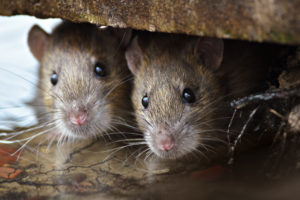
Noise alone does not confirm a rodent problem. Building systems, plumbing, and other animals can produce similar sounds. Investigate the location and look for physical evidence before deciding what is causing the disturbance.
Do not enter unsafe ceiling voids or handle potentially contaminated materials without suitable precautions. Electrical, mechanical, and fire-safety systems should be accessed only by appropriately qualified personnel.
7. Basements, Crawl Spaces, and Parking Areas
Basements and other lower-level spaces may contain utility connections, drains, storage areas, and structural openings that are easy to overlook.
Check:
- Gaps around pipes and conduits.
- Damaged vent screens.
- Openings around basement windows.
- Floor drains and drain covers.
- Utility-room doors.
- Clutter around mechanical equipment.
- Burrows or rodent activity near exterior basement walls.
- Standing water or leaking pipes.
- Droppings and tracks along wall edges.
Moisture problems should be corrected because water can contribute to conditions that support rodent activity. Drain covers and other protective barriers should be suitable for their intended use and maintained in good condition.
For buildings with underground parking or shared basement areas, include the transition points between the garage, storage spaces, and occupied parts of the building.
8. Rooflines, Vents, and Upper-Level Openings
Although rats and mice are often associated with ground-level access, commercial properties should also be checked for openings higher up.
Inspect accessible areas around:
- Roofline joints and damaged exterior materials.
- Ventilation openings.
- Roof and wall penetrations.
- Utility lines entering upper floors.
- Damaged screens or protective covers.
- Gaps around rooftop equipment.
- Service access points and exterior stairwells.
A complete building inspection may also identify access routes used by squirrels, raccoons, bats, or other wildlife. Those issues require appropriate identification and handling rather than assuming every sign is caused by rodents.
Repairs at height should be handled by qualified professionals using appropriate safety procedures. Do not block ventilation openings or alter fire-rated assemblies without confirming that the repair is suitable.
9. Landscaping, Perimeter Debris, and Exterior Storage
The area immediately outside a commercial building can influence rodent activity indoors.
Check for:
- Overgrown vegetation close to the structure.
- Dense ground cover that hides burrows.
- Accumulated leaves and debris.
- Discarded pallets or equipment.
- Outdoor food waste.
- Standing water.
- Openings beneath exterior stairs or platforms.
- Stored materials against the building.
- Burrows along foundations, fences, or paved areas.
Keep exterior areas maintained and remove unnecessary clutter. Where practical, create clear inspection access along the building perimeter so staff can spot new burrows, damaged materials, and other signs of activity.
If burrows are present, avoid filling them without first assessing whether they are active and identifying the likely cause. Otherwise, the underlying problem may remain unresolved.
10. Previous Repairs and Existing Rodent-Control Measures
A building may already have traps, bait stations, sealed openings, or a pest-management agreement. These measures should be reviewed as part of the inspection.
Check whether:
- Previously sealed gaps have reopened.
- Door sweeps or screens are damaged.
- Rodent-control devices are present where expected.
- Activity is concentrated in particular areas.
- Inspection and service records are available.
- Staff know how to report new evidence.
- Earlier recommendations have been completed.
- Recurring problems are being investigated rather than repeatedly treated without correction.
If bait stations or traps are already in place, do not move, open, or handle them unnecessarily. Their condition, placement, and servicing should be reviewed by the responsible pest-management professional.
Repeated rodent activity can indicate that food sources, access points, nesting areas, or other contributing conditions have not been adequately addressed.
Warning Signs of Rats or Mice in a Commercial Building
During an inspection, look for physical evidence rather than relying on a single clue.
| Warning sign | What it may indicate |
| Droppings along walls or behind equipment | Rodent activity in or near the area |
| Gnawed packaging or materials | Possible feeding or attempts to access food or shelter |
| Burrows near the foundation | Possible outdoor rat activity |
| Greasy marks or repeated tracks | Frequent movement along a route |
| Shredded paper or insulation | Possible nesting activity |
| Scratching in walls or ceilings | Possible rodent or other animal movement |
| Damaged food packaging | Potential contamination and a need to investigate |
| Repeated sightings during operating hours | Activity that warrants prompt investigation |
| A persistent unexplained odor | Possible nesting, contamination, or a dead animal |
One sign does not always confirm an infestation. The location, freshness, quantity, and combination of evidence help determine the likely extent of the problem.
If you find droppings or contaminated materials, avoid sweeping or vacuuming them dry. Follow appropriate public-health cleanup guidance and use trained personnel where contamination is extensive or difficult to access.
How to Prevent Rodent Problems After an Inspection
An inspection is most useful when findings lead to corrective action. The goal is not only to address rodents already present but also to reduce the conditions that allow them to return.
Seal Entry Points
Identify and repair openings around foundations, pipes, cables, vents, doors, and other building penetrations. The repair material should be durable and appropriate for the location, since rodents can gnaw through some common materials.
Illinois public-health guidance identifies openings around half an inch as potential rat entry points and smaller openings as relevant for mice. These are useful inspection guidelines, not a reason to ignore smaller or concealed gaps. See the Illinois Department of Public Health’s rodent management guidance for further information.
Improve Waste Management
Keep waste in appropriate containers with secure lids, remove it on a reliable schedule, and clean the surrounding area. Review dumpster placement and check for damaged containers that may provide easy access to food.
Maintain Food Storage and Cleaning Procedures
Store food in sealed containers, clean spills promptly, and remove waste from kitchens and break rooms regularly. Keep storage areas organized so employees can see and clean potential hiding places.
Correct Moisture and Maintenance Problems
Repair leaking pipes, faucets, and damaged drainage components. Remove standing water where possible and address structural defects that create sheltered access points.
Keep a Written Inspection Record
Document the date of each inspection, areas checked, evidence found, repairs needed, and actions completed. Photos can help compare conditions over time, provided they are taken safely and without disturbing contaminated areas or control devices.
Assign responsibility for follow-up so identified gaps and sanitation issues are not left unresolved.

Arrange Professional Rodent Control When Needed
If there are repeated sightings, multiple signs of activity, inaccessible nesting areas, or evidence of contamination, a professional assessment may be appropriate.
A professional can help identify the rodent species, investigate likely routes, determine the extent of activity, and recommend a control and exclusion plan suited to the property.
For businesses dealing with recurring rat or mouse activity, rodent control in Chicago may involve more than placing traps or bait. Inspection, sanitation, exclusion, monitoring, and appropriate control measures work together to address the problem and reduce the chance of recurrence.
What Should a Commercial Rodent Inspection Report Include?
If you hire a professional for an inspection, the findings should be clear enough for a property manager or business owner to act on.
A useful report may include:
- Areas inspected: Exterior perimeter, entrances, waste areas, storage rooms, food areas, utility spaces, and other accessible locations.
- Evidence observed: Droppings, gnaw marks, burrows, damaged materials, sightings, or other relevant signs.
- Potential entry points: Openings, gaps, damaged seals, and access routes requiring attention.
- Conditions attracting rodents: Waste handling, food storage, clutter, moisture, or sheltered areas.
- Recommended corrective actions: Repairs, sanitation improvements, exclusion work, monitoring, or control measures.
- Priority level: Issues requiring prompt attention versus routine maintenance.
- Follow-up plan: Who is responsible for each action and when the area should be rechecked.
The report should distinguish between confirmed observations and suspected activity. It should also identify inaccessible areas that could not be inspected, rather than implying that every part of the building was cleared.
How Often Should a Commercial Property Be Inspected for Rodents?
The appropriate inspection schedule depends on the building, its use, its maintenance history, and any evidence of rodent activity.
A business with food storage, frequent deliveries, extensive waste handling, or a history of recurring rodent problems may need more frequent monitoring than a low-traffic office with few food sources.
Consider reviewing the property:
- Before moving into a new commercial space.
- After major renovation or construction work.
- When new rodent evidence is reported.
- After repairs to suspected entry points.
- During routine building-maintenance checks.
- As part of an ongoing pest-management program.
Inspections should also take place when operating conditions change, such as when a new kitchen is installed, a storage area is expanded, or waste collection arrangements are altered.
Rather than relying on a universal schedule, establish a plan based on the actual risks and revise it when new evidence appears.
When Should You Contact a Commercial Rodent-Control Professional?
Routine maintenance can address many conditions that attract rodents, but it may not be enough when rodents are already established inside the building.
Consider professional help when:
- Rats or mice are repeatedly seen inside occupied areas.
- Droppings appear in multiple rooms or keep returning after cleaning.
- Food packaging or stored products have been damaged.
- Rodents may be moving through concealed wall or ceiling spaces.
- Burrows or entry points remain active despite repairs.
- The source of the problem is unclear.
- The building has sensitive operations, such as food storage or areas with strict sanitation requirements.
- Previous control measures have not resolved the issue.
Prompt action can help limit further contamination and property damage. Control methods should be selected according to the building, the type of rodent, the level of activity, and the safety of employees, customers, pets, and non-target wildlife.
Avoid relying on poison alone or placing bait where people and non-target animals can access it. Any pesticide or rodenticide must be used according to its label and applicable requirements.
If an inspection identifies squirrels, raccoons, bats, or other wildlife, the next step may be commercial wildlife removal in Chicago rather than rodent control alone. The correct approach depends on identifying the animal and assessing how it entered the building.
What Can Affect Commercial Wildlife or Rodent Removal Costs?
The cost of resolving a rodent or wildlife issue can vary considerably from one commercial property to another. A small, accessible entry point may require a different response from a large building with recurring rodent activity, concealed access routes, or extensive exclusion needs.
Factors that may affect the scope of work include:
- The type of animal and extent of activity.
- The size and layout of the property.
- The location and accessibility of entry points.
- The amount of exclusion or repair work needed.
- Whether contaminated materials require attention.
- The need for follow-up visits or ongoing monitoring.
- The complexity of working around business operations.
Rodent control and wildlife removal are not always the same service. Rats and mice may require a rodent-management plan, while squirrels, raccoons, and bats can involve different removal, exclusion, and legal considerations.
For a more detailed explanation of the factors affecting pricing, see wildlife removal cost in Chicago. The most useful estimate will be based on the actual property conditions and the work required, rather than a generic price alone.
Frequently Asked Questions
What does a commercial rodent inspection include?
A commercial rodent inspection typically examines the building perimeter, loading docks, doors, waste areas, food-storage spaces, stockrooms, basements, utility openings, and other accessible areas. The inspector looks for rodent evidence, possible entry points, and conditions that may attract or shelter rats and mice.
How can I tell if my commercial building has rats or mice?
Common signs include droppings, gnawed packaging, burrows near the foundation, nesting materials, repeated sightings, and scratching sounds in concealed spaces. These signs should be assessed together because individual clues may have other explanations.
Can rodents enter through small gaps in a commercial building?
Yes. Rats and mice can use relatively small openings around doors, foundations, pipes, cables, and vents. Door sweeps, screens, seals, and repairs should be checked regularly to help prevent access.
Are commercial rodent inspections necessary before leasing a property?
An inspection can help identify visible rodent evidence, potential entry points, and maintenance concerns before a business occupies a property. It is especially useful when the building’s maintenance history is unclear or the business will store food, inventory, or materials that could attract rodents.
A rodent inspection does not replace a general building inspection or guarantee that no hidden activity exists.
Why do rats keep returning after treatment?
Recurring activity can occur when entry points remain open, food and waste are accessible, nesting areas have not been addressed, or nearby conditions continue to support rodent activity. Effective management usually combines inspection, sanitation, exclusion, monitoring, and appropriate control measures.
Is commercial rodent control different from residential rodent control?
The core principles are similar, but commercial properties may have more entrances, larger storage areas, frequent deliveries, shared spaces, and stricter operational or sanitation requirements. A suitable plan should account for the building’s use and the people who work in or visit it.
What should I do if I find rodent droppings in a commercial kitchen or stockroom?
Keep people away from the affected area as appropriate, protect potentially contaminated food or products, and follow the property’s sanitation and public-health procedures. Do not dry-sweep or vacuum droppings. Seek qualified cleanup and rodent-control assistance if contamination is significant or the source is unclear.
Can an inspection prevent all future rodent problems?
No inspection can guarantee that rodents will never enter a property. However, identifying entry points, correcting sanitation problems, repairing defects, and maintaining a follow-up plan can reduce the risk and help detect new activity earlier.
Protect Your Chicago Commercial Property From Rodent and Wildlife Problems
A commercial rodent inspection is an important step in identifying warning signs before they become a larger operational problem. Checking entrances, foundations, waste areas, food storage, utility spaces, and previous repair work can reveal conditions that routine cleaning may miss.
The most effective prevention plans combine regular inspections with sound waste management, appropriate food storage, durable exclusion work, and follow-up when evidence of rodent activity is found.
For businesses that need help addressing these concerns, Chicago’s Green Trappers provides residential and commercial animal removal services in the Chicagoland area. Whether the issue involves rats and mice or wildlife entering a commercial building, a professional assessment can help identify the problem and determine appropriate next steps.
Contact Chicago’s Green Trappers to discuss your commercial property’s animal-removal and prevention needs.