
Buying or moving into a new home is a major investment. Most buyers think about the roof, foundation, plumbing, electrical system, HVAC, basement, and other obvious parts of a property before making a decision.
But there is another problem that can be easy to overlook: wildlife and rodent activity.
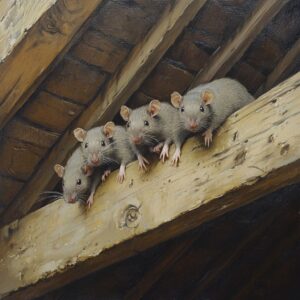
A property may look clean during a showing and still have hidden signs of rats, mice, squirrels, raccoons, bats, or other animals living in the attic, walls, crawl spaces, basement, garage, roofline, or other areas.
That is why a wildlife and rodent inspection can be worth considering before moving into a Chicago property.
A specialized inspection can help identify signs of existing animal activity, potential entry points, nesting or harborage areas, and conditions that could make the property vulnerable to future problems.
It is important to understand that this type of inspection does not replace a general home inspection. In Illinois, buyers can use specialized inspections in addition to a general property inspection when circumstances warrant them.
Why Check for Wildlife and Rodents Before Moving In?
Finding a rodent or wildlife problem after moving in can be frustrating and expensive.
Furniture may already be inside. Personal belongings may be unpacked. Children or pets may be living in the home. Renovations may have started. And what looked like a minor issue can sometimes turn into a larger removal, exclusion, cleanup, or repair project.
A pre-move inspection gives property owners an opportunity to identify potential problems before they become part of the moving process.
For a buyer, it can also provide useful information during the inspection or negotiation period.
For a renter or commercial tenant, identifying existing animal activity before taking possession can help establish whether a problem was already present.
What Does a Wildlife and Rodent Inspection Look For?
A specialized inspection should focus on more than simply looking for a live animal.
Wildlife and rodents often remain hidden during the daytime or may only enter certain areas of a property at night.
An inspection can look for evidence such as:
- Rat or mouse droppings
- Gnaw marks
- Burrows
- Nesting materials
- Animal tracks
- Grease or rub marks
- Damaged insulation
- Chewed wiring or building materials
- Wildlife entry points
- Damaged vents or screens
- Gaps around rooflines
- Openings around pipes and utility lines
- Crawl-space access points
- Garage gaps
- Attic activity
- Evidence of animals around chimneys
- Signs of previous wildlife removal or exclusion work
The goal is to determine whether there are signs of current or previous activity and whether the building has conditions that could allow animals to enter.
Where Should You Look for Wildlife and Rodents?
A quick walk through the main living areas is not enough.
Many animal problems begin or remain in areas that homeowners rarely inspect.
Attic
Attics are attractive to squirrels, raccoons, bats, and other wildlife because they can provide warmth, shelter, and protection.
Look for damaged insulation, nesting material, droppings, damaged vents, disturbed areas, and openings around the roofline.
Roof and Soffits
Damaged soffits, fascia, vents, roofing materials, and other exterior components can create access points.
Even a relatively small opening can become an entry route.
Chimney
Birds, bats, squirrels, and other wildlife can potentially access chimneys when appropriate caps or screens are missing or damaged.
Crawl Spaces
Crawl spaces can provide sheltered areas for rodents and wildlife, particularly where there are moisture problems, clutter, or structural openings.
Basement
Basements should be checked for droppings, gnawing, odors, damaged materials, and openings around foundations, pipes, drains, doors, and utility lines.
Garage
Garage doors and side doors can create easy access if they do not close properly or leave gaps.
Exterior Foundation
The foundation and lower exterior walls should be examined for gaps, cracks, utility penetrations, burrows, and other potential access points.
Why Small Openings Matter
One of the most important things to check before moving into a property is how easily rodents can gain access.
The Illinois Department of Public Health states that rats can enter buildings through openings larger than approximately 1/2 inch, while mice can enter through even smaller openings.
That means a property does not need to have a large visible hole to have a rodent problem.
Potential access points can include:
- Gaps around pipes
- Utility penetrations
- Foundation openings
- Door gaps
- Garage doors
- Crawl-space vents
- Roof vents
- Damaged screens
- Gaps around air-conditioning equipment
- Openings around drains
- Damaged siding
- Gaps around windows
Sealing these areas can be an important part of preventing future rodent activity.
Signs That a Property May Already Have a Rat Problem
Seeing a rat during a property visit is an obvious warning sign, but many infestations are discovered through less obvious evidence.
Look for:
Droppings
Rat droppings around basements, garages, storage areas, kitchens, utility rooms, or other sheltered locations can indicate activity.
Gnawing
Rats constantly gnaw, so damaged wood, plastic, insulation, containers, and wiring may indicate rodent activity.
Burrows
Outdoor burrows around foundations, landscaping, sheds, garages, fences, or other protected areas may indicate rats.
Unusual Odors
Persistent musty or animal-related odors can sometimes indicate nesting or animal activity in an enclosed area.
Scratching or Movement
Scratching, running, gnawing, or movement inside walls and ceilings can be a warning sign.
However, not every sound comes from rats.
Squirrels, raccoons, mice, bats, birds, and other wildlife can also create noises inside structures. If you hear noises in your attic at night, identifying the animal is an important first step before deciding what action is appropriate.
What About Squirrels, Raccoons and Bats?
A wildlife inspection should not focus exclusively on rats and mice.
Chicago properties can also experience problems involving squirrels, raccoons, bats, opossums, and other wildlife.
Squirrels
Squirrels may enter attics through damaged roof areas, soffits, vents, or other openings.
Signs can include scratching, nesting materials, disturbed insulation, and damage around potential entry points.

Raccoons
Raccoons may enter attics, chimneys, crawl spaces, and other protected areas.
Because of their size, they can create significant damage when they gain access to a structure.
Bats
Bats can enter through small openings around roofs, vents, soffits, and other parts of a building.
Bat exclusion also requires species-appropriate handling and attention to applicable wildlife regulations.
Opossums and Other Wildlife
Wildlife may also use crawl spaces, garages, sheds, decks, porches, and other sheltered areas around a property.
The important point is that a property can have wildlife risks even when there are no obvious signs inside the main living space.
Why a New Home Can Still Have an Old Wildlife Problem
A newly purchased home is not necessarily a problem-free home.
Previous owners may have dealt with an animal issue without completely correcting the underlying entry point.
For example, a homeowner might have removed squirrels from an attic but never repaired the damaged soffit that allowed them inside.
Similarly, rats may have been controlled temporarily while gaps around the foundation, garage, or utility lines remained open.
This is why a pre-move inspection should consider both:
Is there an animal problem now?
and:
Could animals easily get into this property in the future?
That second question is particularly important for prevention.
Why Prevention Matters More Than Just Removal
Removing an animal does not automatically make a property wildlife-proof.
The Illinois Department of Public Health describes long-term rodent management as a combination of inspection, sanitation, exclusion, and appropriate control methods. It identifies exclusion as a first line of defense against rodents.
For a new homeowner, this means identifying potential entry points before an infestation develops can be much easier than dealing with an established problem later.
Prevention may involve:
- Sealing gaps
- Repairing damaged vents
- Improving door seals
- Securing crawl-space openings
- Repairing damaged soffits
- Maintaining roofline components
- Removing outdoor food sources
- Securing garbage
- Reducing clutter
- Managing vegetation
- Correcting moisture problems
Should You Get a Wildlife Inspection Before Buying a House?
For some properties, a specialized wildlife or rodent inspection can be a valuable addition to the normal home inspection process.
It may be particularly useful when:
- The property is older.
- There is an attic or crawl space.
- The home has visible exterior damage.
- You see droppings or animal damage.
- There are unexplained odors.
- You hear noises inside walls or ceilings.
- There are visible burrows.
- The property has a history of pest problems.
- The home is near an area with significant rodent activity.
- The seller has disclosed previous pest or wildlife problems.
- The property has been vacant for an extended period.
Illinois guidance recommends independent home inspections for buyers and notes that specialized inspections may be appropriate for pests and other specific concerns.
A specialized wildlife/rodent inspection should therefore be viewed as an additional layer of due diligence, not a replacement for the general inspection.
What If You’re Renting or Leasing a Property?
The same principle applies when moving into a rental property.
Before taking possession, look for signs of:
- Rodent droppings
- Gnawing
- Burrows
- Damaged screens
- Gaps around doors
- Openings around pipes
- Wildlife entry points
- Attic or crawl-space activity
- Garbage or sanitation problems
Documenting existing conditions before moving in can also help distinguish pre-existing issues from problems that develop later.
Chicago’s property-maintenance code requires structures to be kept free from infestation by rodents and similar pests and requires precautions to prevent reinfestation. The code also places certain pest-elimination responsibilities on owners before renting or leasing a structure.
If you are renting, it is still important to understand the specific responsibilities of the owner and occupant under the applicable lease and local requirements.
What If You’re Moving Into a Commercial Property?
Commercial properties deserve additional attention because animal problems can affect employees, customers, inventory, equipment, food storage, and daily operations.
Before opening or taking possession of a commercial property, consider checking:
- Exterior walls
- Loading areas
- Dumpster locations
- Storage rooms
- Basements
- Utility rooms
- Roof areas
- Crawl spaces
- Food-storage areas
- Delivery entrances
- Garage doors
- Plumbing and utility penetrations
- Landscaping and exterior harborage
The Illinois Department of Public Health emphasizes structural integrity, sanitation, waste management, exclusion, and regular inspection as components of effective rodent management, particularly for commercial environments.

A commercial inspection can therefore be useful not only for finding existing activity but also for identifying conditions that could create future problems.
What Happens If an Inspection Finds Animal Activity?
Finding evidence of wildlife or rodents does not necessarily mean you should immediately walk away from a property.
The next step is to determine:
- What animal is involved?
- Is the activity current or historical?
- Where is the animal entering?
- Where is it nesting or traveling?
- How extensive is the problem?
- Has damage occurred?
- What exclusion work is required?
- Are there sanitation or moisture issues?
- Is professional removal necessary?
- What should be done to prevent recurrence?
Once the scope is understood, you can make a more informed decision about the property and any necessary remediation.
How Much Can Wildlife Removal Cost?
The cost of resolving a wildlife or rodent problem varies considerably.
A simple issue may require limited removal and exclusion, while a larger problem can involve multiple animals, difficult access, structural openings, damaged insulation, cleanup, or repeated visits.
The cost may depend on:
- Animal species
- Number of animals
- Location
- Accessibility
- Extent of damage
- Number of entry points
- Required exclusion work
- Cleanup requirements
- Follow-up visits
If you discover an animal problem before moving into a property, understanding the potential cost of wildlife removal in Chicago can help you evaluate the scope of the issue before making decisions about repairs or remediation.
For rat-specific problems, the potential expense can also vary depending on the size and location of the infestation and whether exclusion is required.
What Should You Ask Before Hiring an Animal Removal Professional?
If an inspection identifies wildlife or rodent activity, ask the service provider:
- What animal is causing the problem?
- What evidence supports that conclusion?
- Where is the animal entering?
- Is the animal currently inside the structure?
- Is there evidence of nesting?
- What damage has been identified?
- How will the animal be removed?
- Will entry points be addressed?
- Is cleanup necessary?
- Will follow-up inspection be required?
- What can be done to prevent the problem from returning?
- What is included in the estimate?
A good assessment should explain the problem and the cause, rather than simply recommending treatment without identifying how the animal gained access.
Can You Prevent Wildlife Problems Before Moving In?
You cannot guarantee that a property will never have wildlife or rodent activity.
However, you can reduce the risk significantly by addressing conditions that make the property accessible or attractive to animals.
Before moving in, consider:
Exterior
Check the roofline, soffits, vents, siding, foundation, doors, windows, crawl-space openings, and utility penetrations.
Attic
Look for damaged insulation, droppings, nesting material, animal odors, damaged vents, and possible entry points.
Basement and Crawl Space
Look for moisture, droppings, burrows, gaps, damaged screens, and openings around utilities.
Garage
Check door seals, side entrances, stored materials, and potential food sources.
Yard
Remove unnecessary clutter, secure garbage, manage vegetation, and look for burrows or other signs of wildlife activity.
Before Closing or Taking Possession
If signs of wildlife or rodents are discovered, consider getting the problem professionally evaluated before completing the move.
A Pre-Move Wildlife Inspection Can Save Future Problems
Buying or moving into a property is already a major undertaking. Discovering rats in the basement or squirrels in the attic after moving furniture and belongings into the house can make the situation considerably more difficult.
A specialized wildlife and rodent inspection gives property owners another opportunity to identify problems early.
The objective is not to assume every Chicago home has a wildlife problem.
It is to determine whether this particular property shows evidence of animal activity or has conditions that make future problems more likely.
That distinction is important.
A property with no current infestation may still have several easy entry points. Conversely, a property with signs of previous activity may simply need appropriate exclusion and monitoring.
The earlier these conditions are identified, the more options a property owner has.
Frequently Asked Questions
Is a wildlife inspection the same as a home inspection?
No. A general home inspection evaluates the overall condition of a property, while a wildlife or rodent inspection focuses specifically on animal activity, evidence, entry points, nesting areas, and conditions that can contribute to future wildlife problems.
Illinois guidance recognizes that specialized inspections can supplement a general home inspection when needed.
Should I get a wildlife inspection before buying a house in Chicago?
It can be worthwhile, particularly for older properties, homes with attics or crawl spaces, properties showing signs of animal activity, or buildings with visible exterior openings or previous pest problems.
What does a rodent inspection look for?
A rodent inspection can look for droppings, gnaw marks, burrows, nesting evidence, odors, travel routes, food sources, and structural openings that may allow rats or mice to enter.
Can a home look clean and still have rats?
Yes. Rats can remain in hidden areas such as wall voids, basements, crawl spaces, ceilings, or other protected locations. A clean-looking living area does not necessarily mean there is no rodent activity.
What are the most common wildlife entry points?
Common areas include roof gaps, soffits, vents, chimneys, damaged siding, foundation openings, crawl-space vents, garage doors, utility penetrations, and gaps around other building components.
Should I inspect a rental before moving in?
Yes. A renter can look for signs of existing rodent or wildlife activity before taking possession and document existing conditions. Chicago’s property-maintenance rules also address pest-free conditions and responsibilities related to pest elimination.
Should commercial properties be inspected for rodents before moving in?
A specialized inspection can be particularly useful for commercial properties because rodent activity can affect storage areas, food handling, inventory, employees, customers, and business operations.
Can an inspection prevent future wildlife problems?
An inspection cannot guarantee that wildlife will never appear, but it can identify existing activity and conditions that increase the risk. Addressing entry points, food sources, sanitation issues, and structural vulnerabilities can reduce the likelihood of future problems.
What if I find rats after moving into my new home?
Start by identifying signs of activity and potential entry points. If the problem continues or rats are entering the structure, a professional rodent control service in Chicago can evaluate the property and determine an appropriate control and prevention strategy.
Planning to Move Into a Chicago Property?
A new home or commercial property should feel like a fresh start—not a place where you discover someone else’s wildlife or rodent problem after moving in.
A specialized inspection can help identify signs of animal activity, potential entry points, and property conditions that may need attention before or soon after you move in.
Whether you are buying a home, renting a property, moving into an office, or taking over a commercial building, checking for wildlife and rodents early can help you address potential problems before they become more disruptive.
Need a Wildlife or Rodent Inspection?
Chicago’s Green Trappers provides residential and commercial animal removal services in Chicago, helping property owners identify and address wildlife and rodent problems around homes and commercial properties.
If you’re preparing to move into a Chicago property and have noticed signs of rats, mice, squirrels, raccoons, bats, or other wildlife – or simply want to identify potential problems before they become an issue – contact Chicago’s Green Trappers to discuss the property and determine the appropriate next step.