
Hearing Noises in Your Attic? The Animal Matters
Hearing scratching, running, or chewing sounds above your ceiling is one of the first signs that wildlife has found its way into your home. But before you decide on a solution, it’s important to identify whether you’re dealing with squirrels or rats. Although both animals can damage insulation, wiring, and structural materials, they behave differently and require different removal strategies.
If you’re searching for squirrel removal in Chicago or rat removal in Chicago, understanding the signs can help you respond quickly and prevent more extensive damage.
Why It Matters
Many homeowners assume all attic noises come from rats, but squirrels are just as common in Chicago neighborhoods, especially near mature trees and wooded areas. Misidentifying the animal can lead to ineffective traps, delayed repairs, and higher restoration costs.
Professional wildlife inspections identify the source of the problem and recommend the safest removal method for your home.
Signs You Have Squirrels in the Attic
 Squirrels are active during the daytime and usually enter homes through rooflines, soffits, vents, or damaged fascia boards.
Common signs include:
- Loud running or jumping noises during the morning
- Activity shortly after sunrise
- Scratching across the roof
- Chewed roof vents or wooden trim
- Leaves and twigs brought into the attic
- Visible squirrel sightings near the roof
Homeowners often notice increased activity during spring and fall when squirrels search for nesting locations.
Signs You Have Rats in the Attic
Rats are nocturnal and prefer hidden travel routes inside walls, ceilings, and crawl spaces.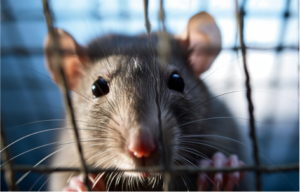
Typical signs include:
- Scratching or gnawing after dark
- Small droppings throughout the attic
- Strong ammonia-like odors
- Greasy rub marks along beams
- Chewed electrical wiring
- Food packaging damage in garages or storage rooms
Unlike squirrels, rats may travel throughout the house rather than remaining near the roof.
Squirrel vs. Rat: Quick Comparison
| Feature | Squirrels | Rats |
| Active Time | Daytime | Nighttime |
| Noise | Running, jumping | Scratching, scurrying |
| Entry Points | Roof vents, soffits, fascia | Gaps, utility lines, foundations |
| Nest Materials | Leaves, sticks, insulation | Paper, fabric, insulation |
| Damage | Roof, insulation, wood | Wiring, insulation, food contamination |
| Disease Risk | Moderate | Higher due to urine and droppings |
Which Animal Causes More Damage?
Both animals can become expensive problems if left untreated.
Squirrel Damage
Squirrels frequently chew:
- Roof decking
- Wooden beams
- Roof vents
- Soffits
- Fascia boards
- Insulation
Female squirrels often create nesting areas in attics, leading to recurring infestations if entry points aren’t sealed.
Rat Damage
Rats are known for:
- Chewing electrical wiring
- Contaminating insulation
- Damaging HVAC ducts
- Gnawing plumbing materials
- Spreading bacteria through droppings and urine
Rodents are responsible for thousands of electrical fires each year because they chew through wire insulation.
Can You Have Both Rats and Squirrels?
Yes.
Although they usually occupy different parts of a home, it’s possible for both squirrels and rats to use the same attic or roof system.
For example:
- Squirrels enter through roof openings.
- Rats enter through foundation gaps or utility penetrations.
- Once inside, both may nest in attic insulation.
A professional inspection identifies every entry point before removal begins.
Why DIY Removal Often Fails
Homeowners often purchase traps or poison before knowing which animal they’re dealing with.
This creates several problems:
- Wrong trap type
- Missed entry points
- Dead animals inside walls
- Baby squirrels left behind
- Returning infestations
Successful wildlife control focuses on removing the animals and preventing them from re-entering your home.
How Professionals Handle Squirrel and Rat Removal
Wildlife professionals use different methods depending on the species.
- Roof inspection
- Humane removal techniques
- One-way exclusion doors
- Nest removal
- Entry-point sealing
- Roof vent protection
- Complete property inspection
- Strategic trapping
- Rodent exclusion
- Sanitation recommendations
- Entry-point sealing
- Monitoring for recurring activity
A customized approach helps ensure the infestation is resolved safely and effectively.
Prevent Future Attic Infestations
Whether you’ve had squirrels or rats, prevention is essential.
Consider these steps:
- Trim tree branches away from the roof.
- Repair damaged soffits and fascia.
- Install chimney caps and vent covers.
- Seal openings around utility lines.
- Replace damaged roof vents.
- Schedule regular roof inspections.
- Remove outdoor food sources that attract rodents and wildlife.
Preventive maintenance can significantly reduce the likelihood of future infestations.
When to Call a Wildlife Removal Professional
If you hear scratching noises, discover droppings, or notice signs of chewing around your home, don’t wait for the damage to worsen.
Prompt action helps protect your home from costly repairs while ensuring the animals are removed safely and humanely. A professional inspection can determine whether you’re dealing with squirrels, rats, or multiple wildlife species and recommend the most effective removal strategy.
Need Squirrel or Rat Removal in Chicago?
Whether you’re hearing daytime activity from squirrels or nighttime scratching caused by rats, the experienced team at Chicago’s Green Trappers can identify the source of the problem and provide safe, effective solutions. We specialize in squirrel removal, rat removal, attic inspections, exclusion services, and long-term wildlife prevention throughout the Chicago area. Contact us today to schedule an inspection and protect your home before the damage gets worse.
Frequently Asked Questions
How can I tell if I have squirrels or rats in my attic?
Squirrels are typically active during the day and make louder running or jumping noises, while rats are most active at night and create lighter scratching or scurrying sounds. A professional inspection can confirm the species.
Are squirrels more destructive than rats?
Both can cause significant damage. Squirrels often chew wood, roof vents, and insulation, while rats commonly damage electrical wiring, contaminate insulation, and leave droppings throughout the attic.
Can squirrels and rats live in the same attic?
Yes. Although they often enter through different areas of the home, both species can occupy the same attic if suitable shelter is available.
Should I use poison for rats in my attic?
Poison can create additional problems, including dead animals inside walls or inaccessible spaces, leading to unpleasant odors and difficult cleanup. Professional trapping and exclusion are generally safer and more effective.
How do professionals prevent squirrels and rats from returning?
After removing the animals, professionals identify and seal entry points, repair damaged areas, install protective barriers where needed, and recommend steps to reduce future wildlife activity.