
If you’ve already dealt with unwanted wildlife only to hear scratching in the attic or walls again a few months later, you’re not alone. Many homeowners experience recurring infestations because removing the animal doesn’t always eliminate the underlying problem. Whether you previously needed rodent control Chicago services or help with squirrels, bats, or raccoons, wildlife will often return if entry points, nesting areas, and food sources remain available.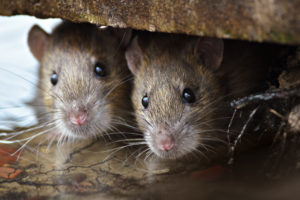
Chicago’s climate and older residential neighborhoods provide ideal conditions for wildlife throughout the year. Warm attics, crawl spaces, garages, and wall voids offer shelter from harsh weather, making homes an attractive place for animals to nest and raise their young.
Why Wildlife Keeps Returning
Wildlife doesn’t randomly choose homes. Animals return because they have already identified your property as a safe place to live.
Some of the most common reasons include:
- Unsealed roof or foundation openings
- Easily accessible food and water
- Warm attic spaces
- Damaged soffits or vents
- Nearby trees providing roof access
Unless these conditions are corrected, new wildlife can replace the animals that were removed.
One Wildlife Problem Often Leads to Another
Many homeowners expect to deal with only one type of animal. In reality, different species often use the same property over time.
For example, rodents may enter through tiny foundation gaps before squirrels discover roof openings that lead into the attic. Raccoons can enlarge damaged roof areas, while bats take advantage of small gaps near vents or flashing.
If you’ve noticed scratching or movement above your ceiling, our guide on Noises in the Attic at Night: What Animal Could It Be? is a helpful resource for identifying common signs before the problem grows.
Wildlife Activity Changes With the Seasons
Wildlife problems don’t disappear—they simply change throughout the year.
- Rodents remain active during every season.
- Squirrels frequently seek attic shelter during nesting periods.
- Bats become more active during warmer months.
- Raccoons often look for protected denning areas before winter.
Understanding seasonal bat activity in Chicago can also help homeowners know when humane removal is permitted and why timing matters.
Hidden Entry Points Keep Homes Vulnerable
Animals rarely force their way inside. Instead, they take advantage of existing weaknesses around your home.
Common entry points include:
- Roof vents
- Loose fascia boards
- Chimneys
- Foundation cracks
- Utility penetrations
- Damaged siding
Even after wildlife has been removed, these openings remain an open invitation if they are not professionally sealed.
DIY Solutions Rarely Prevent Future Infestations
Many homeowners try traps, repellents, or exclusion products hoping to solve the problem themselves. While these methods may temporarily reduce activity, they rarely address the source of the infestation.
If you’ve relied on traps before, you may also find our article Why Store-Bought Traps Often Fail Against Chicago Rats helpful in understanding why wildlife frequently returns despite repeated DIY efforts.
Professional wildlife removal focuses on identifying nesting sites, repairing access points, and preventing future entry—not simply removing the visible animals.
Prevention Is More Effective Than Repeated Removal
The best long-term protection starts with making your property less attractive to wildlife.
Simple preventative measures include:
- Repairing damaged roofing
- Installing vent and chimney covers
- Trimming tree branches touching the roof
- Securing garbage containers
- Eliminating food and water sources
- Scheduling regular property inspections
Preventative maintenance reduces the likelihood of recurring infestations and protects your home year-round.
When It’s Time to Call a Professional
If wildlife keeps returning despite your efforts, it’s usually a sign that the root cause hasn’t been addressed. A professional inspection can identify hidden entry points, nesting areas, and structural issues that homeowners often miss.
Whether you’re dealing with rodents, squirrels, bats, or raccoons, early intervention helps minimize property damage and reduces long-term repair costs.
Frequently Asked Questions
Why do wildlife problems keep coming back after removal?
Wildlife usually returns when entry points remain open or food and shelter are still available. Removing the animal without addressing these conditions often leads to recurring infestations.
Can different animals use the same attic?
Yes. Over time, rodents, squirrels, bats, and raccoons may all use the same attic if access points remain open.
What time of year is wildlife most active in Chicago?
Wildlife activity occurs year-round, but different species become more active during specific seasons based on breeding, nesting, and weather conditions.
How can I keep wildlife from returning?
Seal entry points, eliminate food sources, repair structural damage, and schedule routine inspections to reduce the risk of future infestations.
Should I remove wildlife myself?
DIY methods may offer temporary relief but often fail to address hidden entry points or nesting areas. Professional removal and exclusion provide a more reliable long-term solution.
Stop Wildlife From Coming Back
Wildlife problems rarely disappear on their own. Without proper exclusion, repairs, and prevention, the same conditions that attracted one animal can attract another.
If you’re experiencing recurring wildlife activity, Chicago’s Green Trappers provides professional wildlife removal, thorough home inspections, and long-term prevention solutions for Chicago homeowners. From identifying hidden entry points to safely removing unwanted animals, our experienced team can help keep your home protected throughout every season.