
When temperatures drop in Chicago, homeowners may start noticing unusual scratching sounds, movement inside walls, or droppings around their kitchens, basements, and attics. These signs can indicate that rats or mice have found a way inside.
Rodents look for food, water, and sheltered nesting areas throughout the year. However, cold weather can make homes, garages, crawl spaces, and other enclosed structures especially attractive places to find protection from harsh outdoor conditions.
Chicago winters bring freezing temperatures, snow, and limited outdoor food availability. These conditions can encourage rodents to move closer to residential buildings and take advantage of accessible indoor spaces.

Understanding why rodents enter homes during colder months is an important step toward preventing an infestation. Small openings around foundations, rooflines, utility pipes, and garage doors can provide easy access if they are not properly sealed.
This guide explains why rodents become a problem during colder months, where they commonly enter homes, how to recognize an infestation, and what homeowners can do to protect their properties.
Why Do Rodents Enter Chicago Homes During Winter?
Rats and mice do not necessarily enter homes only because temperatures drop. They are constantly looking for food, water, and suitable places to shelter. However, winter conditions can increase their need to find protected environments.
Chicago winters bring freezing temperatures, snow, ice, and limited outdoor food availability. These conditions can encourage rodents to move closer to residential buildings and take advantage of accessible indoor spaces.
Several factors contribute to increased rodent activity around homes during colder months.
1. Protection From Freezing Temperatures
Rats and mice need sheltered areas where they can remain active and establish nests. As outdoor temperatures fall, warm indoor spaces become attractive.
Basements, wall cavities, attics, garages, and crawl spaces can provide protection from wind, snow, and freezing conditions.
Once inside, rodents may settle in areas with limited human activity, particularly behind appliances, inside storage areas, or around insulation.
2. Easier Access to Food Sources
During winter, rodents may have fewer convenient food sources outdoors. Homes provide access to pantry items, pet food, garbage, birdseed, and food scraps.
Even small amounts of accessible food can attract mice and rats.
Unsealed food containers, overflowing garbage bins, and pet food left out overnight can make a property more attractive to rodents.
3. Suitable Places to Build Nests
Rodents prefer quiet, protected locations where they can build nests and reproduce.
Common nesting materials include shredded paper, cardboard, fabric, insulation, and other soft materials.
Attics, basements, storage rooms, and cluttered garages can provide suitable nesting conditions if rodents gain access.
4. Small Openings Become Easy Entry Points
Rodents do not need large openings to enter a home. Mice can squeeze through gaps approximately 1/4 inch wide, while rats can use openings around 1/2 inch wide.
Small gaps around utility lines, damaged vents, foundation cracks, and poorly sealed doors may provide access.
Inspecting and sealing openings around the inside and outside of buildings is an important part of rodent prevention.
Where Do Rats and Mice Commonly Enter Chicago Homes?
Rodents can enter through several parts of a property. Some openings may be difficult to notice without a thorough inspection.

Here are some common areas Chicago homeowners should check.
Foundation Cracks and Basement Openings
Cracks around foundations, gaps near basement windows, and openings around utility pipes can create access points for rodents.
Basements also provide sheltered areas where rodents may find storage materials, food sources, and nesting locations.
Homeowners should inspect foundation walls, window frames, basement doors, and areas where plumbing or electrical lines enter the building.
Rooflines, Soffits, and Attic Vents
Mice and other climbing rodents can reach elevated areas using nearby trees, fences, utility lines, or exterior structures.
Damaged soffits, loose roofline materials, and openings around attic vents may allow animals to enter roof spaces.
If you hear scratching or movement above the ceiling, investigate the possibility of animal activity.
Learn more about the animals commonly found in Chicago home attics and the different wildlife species that may occupy these spaces.
Garage Doors and Side Entries
Gaps underneath garage doors and around their side frames can provide convenient entry points.
Garages may also contain cardboard boxes, stored belongings, pet food, birdseed, and other materials that attract rodents.
Inspect weather stripping and door seals, especially if you notice droppings or gnaw marks around stored items.
Utility Pipes and Wall Openings
Rodents may enter through small gaps surrounding water pipes, heating lines, electrical cables, and other utility connections.
These openings can connect exterior spaces to wall cavities, basements, and other indoor areas.
Seal suitable gaps with durable rodent-resistant materials rather than relying on temporary solutions.
Crawl Spaces and Areas Under the House
Crawl spaces can provide sheltered nesting areas, particularly when access points are damaged or ventilation openings are not properly protected.
Rodent activity underneath a house can also contribute to damage involving insulation, wiring, and stored materials.
Read more about rodents living underneath houses and the structural concerns they can cause.
Signs of a Rodent Infestation During Winter
You may notice evidence of rodents long before seeing a rat or mouse. Paying attention to small changes around your property can help identify an infestation early.
Look for these common warning signs.
1. Scratching or Scurrying Sounds
Scratching, chewing, or light movement inside walls and ceilings can indicate rodent activity.
You may hear these sounds more frequently at night when household activity decreases.
However, not every attic or wall noise comes from rodents. Squirrels, raccoons, and other wildlife can produce similar sounds.
Our guide to noises in the attic at night and what animal could be responsible explains some common causes of unusual attic sounds.
2. Rodent Droppings
Small, dark droppings around cabinets, pantries, basements, garages, and storage areas can indicate rodent activity.
Check behind appliances, along walls, near food containers, and around suspected nesting areas.
Avoid handling droppings directly or sweeping or vacuuming them, as this can release contaminated particles into the air.
3. Gnaw Marks and Damaged Materials
Rats and mice constantly gnaw, which can result in damage to:
- Food packaging and cardboard boxes
- Wooden materials and stored belongings
- Insulation and other nesting materials
- Plastic containers and household items
- Electrical wiring and cables
Chewed wiring deserves particular attention because damaged electrical insulation can create safety concerns.
4. Unusual Musky Odors
Rodents may leave urine, droppings, nesting materials, and other waste in concealed areas.
A persistent musky odor around cabinets, walls, basements, or attics may indicate an infestation.
A strong or unusual smell can also have other causes, including a dead animal trapped inside a wall or ceiling cavity.
5. Nesting Materials
Shredded paper, fabric, insulation, and other soft materials gathered in hidden spaces may indicate that rodents have established a nest.
Check undisturbed storage areas, behind appliances, and accessible attic or basement spaces.
What Problems Can Rodents Cause Inside Your Home?
A rodent infestation is more than an inconvenience. Rats and mice can contaminate living areas, damage building materials, and create health and safety concerns.
Food Contamination
Rodents can contaminate food, food packaging, kitchen surfaces, and storage areas through their urine, droppings, and contact with contaminated materials.
Keep food in tightly sealed containers and clean up spills promptly.
Damage to Insulation and Building Materials
Rodents may shred insulation and other materials to create nesting areas.
Over time, this activity can affect attic insulation, stored belongings, and concealed spaces inside walls and ceilings.
Electrical Wiring Damage
Gnawing can damage electrical wiring and protective insulation.
If you discover chewed cables or suspect rodents have entered electrical or HVAC systems, contact an appropriately qualified professional to inspect the affected areas.
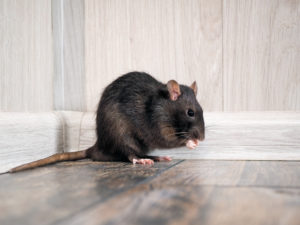
Health Concerns
Rats and mice can carry organisms that may spread disease through bites, contaminated food, urine, droppings, and nesting materials.
The CDC recommends taking appropriate precautions when cleaning areas contaminated by rodents.
For significant infestations or contamination in difficult-to-access areas, professional assistance may be necessary.
How to Prevent Rodents From Entering Your Chicago Home During Winter
Preventing rodents requires more than removing the animals already inside. Homeowners should also address the conditions that attract them and the openings that allow them to enter.
Use these preventive measures to reduce the risk of winter rodent activity.
1. Seal Exterior Gaps and Openings
Inspect your home’s exterior for cracks, damaged vents, loose siding, and openings around pipes or cables.
Pay particular attention to:
- Foundation walls and basement windows
- Garage doors and side entrances
- Roofline gaps and soffits
- Attic and crawl-space vents
- Utility and plumbing entry points
Use appropriate rodent-resistant materials to close openings. Larger structural gaps may require professional repair.
2. Store Food in Sealed Containers
Keep dry food, pet food, birdseed, and other supplies in tightly sealed containers made from suitable durable materials.
Avoid leaving food scraps or pet food exposed overnight.
Clean kitchen surfaces regularly and keep garbage in containers with secure lids.
3. Reduce Clutter Around Your Property
Cardboard, unused furniture, piles of debris, and stored materials can create sheltered nesting locations.
Organize garages, basements, storage rooms, and utility areas.
Keep outdoor materials such as firewood and debris away from the home’s foundation where practical.
4. Maintain Your Garage and Basement
Check door seals, basement windows, utility openings, and ventilation areas.
Keep storage materials organized and inspect areas where rodent droppings or gnaw marks have previously appeared.
5. Inspect Attics and Crawl Spaces
Look for disturbed insulation, droppings, nesting materials, and possible entry points.
If you notice unusual movement or animal sounds, avoid disturbing a suspected nest before identifying the animal.
Different wildlife species may require different removal and exclusion approaches.
6. Schedule an Inspection When You Notice Repeated Activity
If scratching sounds, droppings, or other signs continue despite preventive measures, an inspection can help determine the source of the problem.
A professional can assess potential entry points, identify affected areas, and recommend suitable removal and exclusion measures.
What Should You Do If You Find Rodents Inside Your Home?
If you discover signs of rats or mice during winter, avoid focusing only on the animal you see.
A single sighting may indicate that rodents are using a concealed entry point or nesting area elsewhere in the property.
Consider the following steps:
- Identify the areas where you have noticed droppings, scratching sounds, or gnaw marks.
- Remove accessible food sources and secure garbage.
- Avoid disturbing nests or contaminated materials.
- Do not sweep or vacuum rodent droppings or nesting debris.
- Arrange appropriate professional assistance if activity persists or the affected area is difficult to access.
- Address entry points to reduce the likelihood of rodents returning.
The CDC recommends wetting rodent urine and droppings with an appropriate disinfectant before cleanup and avoiding methods that stir contaminated particles into the air.
For larger infestations, contaminated insulation, or inaccessible wall and attic spaces, professional cleanup may be appropriate.
When Should You Call a Professional Rodent Control Service in Chicago?
Some rodent problems are difficult to manage without identifying how the animals are entering and where they are nesting.

Consider professional assistance if:
- You repeatedly hear scratching or movement inside walls or ceilings.
- Rodent droppings continue appearing after cleanup.
- You discover damaged insulation or electrical wiring.
- Rodents are entering through inaccessible structural openings.
- You suspect an established infestation in your attic, basement, or crawl space.
- Previous attempts to address the problem have not prevented further activity.
A thorough inspection can help determine the extent of the activity and identify areas that need attention.
Frequently Asked Questions About Winter Rodents in Chicago
Do rats and mice come inside homes during winter?
Yes. Rats and mice may enter homes throughout the year, but cold weather can make sheltered indoor spaces more attractive. They seek food, water, and places to nest away from harsh outdoor conditions.
Where do mice hide during winter?
Mice commonly hide in wall cavities, basements, attics, garages, cabinets, storage areas, and spaces behind appliances. They prefer sheltered locations with access to food and nesting materials.
Can rodents enter a house through very small openings?
Yes. Mice can squeeze through openings approximately 1/4 inch wide. Small gaps around foundations, utility pipes, doors, and vents can provide access to a home.
Why do I hear scratching sounds in my walls during winter?
Scratching sounds may indicate mice or rats moving through wall cavities, ceilings, or other concealed spaces. However, squirrels and other wildlife can produce similar sounds. Identifying the animal before choosing a removal method is important.
Do rodents damage attic insulation?
Yes. Rats and mice may disturb or shred insulation to create nesting areas. Their urine and droppings can also contaminate insulation, potentially requiring professional assessment and cleanup.
Will rodents leave my house when the weather gets warmer?
Not necessarily. Once rodents establish nests and find reliable food and shelter, they may remain inside even after outdoor temperatures increase. Removing the animals and addressing entry points are important for long-term prevention.
How can I keep rats and mice out of my Chicago home?
Inspect your home’s exterior, seal suitable gaps with rodent-resistant materials, secure food and garbage, reduce clutter, and address potential nesting areas. Professional inspection may be necessary if rodent activity continues.
When should I schedule rodent control in Chicago?
Schedule an inspection as soon as you notice repeated droppings, scratching sounds, gnaw marks, or other signs of rodent activity. Addressing the problem early can help limit contamination and property damage.
Protect Your Chicago Home From Winter Rodent Problems
Cold weather can make Chicago homes attractive shelter for rats and mice looking for food, warmth, and nesting locations. Small openings around foundations, garages, rooflines, and utility connections can allow rodents to enter unnoticed.
Recognizing early warning signs, maintaining your property, and sealing potential entry points can help reduce the risk of an infestation.
If you suspect rodents have entered your home, professional help can identify the source of the problem and determine an appropriate removal and prevention approach.
Contact Chicago’s Green Trappers to learn more about professional rodent control in Chicago and protect your home from unwanted rodent activity.